[vc_row][vc_column][vc_column_text css=””]As sash window experts, we are well placed to explain this unique type of window to our customers. People often want to know about the different components that make up a sash window, and to understand where it gets its name. We are regularly asked the question, “What exactly is a window sash”? So to help, we have put together this guide with details of sash windows, their anatomy and the way they work, to help you get your head around some of the terminology.
What is a window sash?
A window sash is a key component of a window frame that holds the glass panes in place. It is usually a rectangular or square framework but it can also have a curved design. It can be opened, closed, or tilted to allow ventilation and access to the outside. Windows typically consist of two main parts: the window frame and the window sash.
- Window sash definition: A window sash is the glazed, framed panel that sits within a larger window frame and moves to open and close the window. It is not the same as the box frame (the fixed structure that houses the sashes and the operating mechanism).
- Note on common mix-ups: Homeowners sometimes confuse the sash with the box frame. It’s an easy mistake to make – the sash is the moving, glazed part; the box frame is the fixed wood surrounding it. Getting the terminology right helps ensure the correct component is repaired, upgraded or replaced.
The sash is the movable part of the window that contains the glass panes. It can slide vertically (in the case of single-hung or double-hung windows), horizontally (in the case of sliding windows), or pivot from a vertical axis (in the case of casement windows). Sashes are usually equipped with mechanisms such as hinges, pulleys, springs, or tracks that enable them to move and stay in place when opened or closed.
Window sashes play a vital role in regulating airflow and providing natural light while maintaining a barrier against the elements. They can also contribute to the overall aesthetics of a building’s architecture.
How does a window sash work?
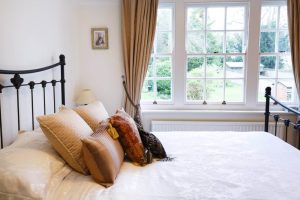 The sash is the name given to the frame that contains the glass, and there will usually be a top and a bottom sash in a typical window. If we are going to be specific, the full title of a sash window is a ‘vertical double-hung box-framed sliding sash window’! It’s quite a mouthful, so most people simply refer to them as ‘sash windows’.
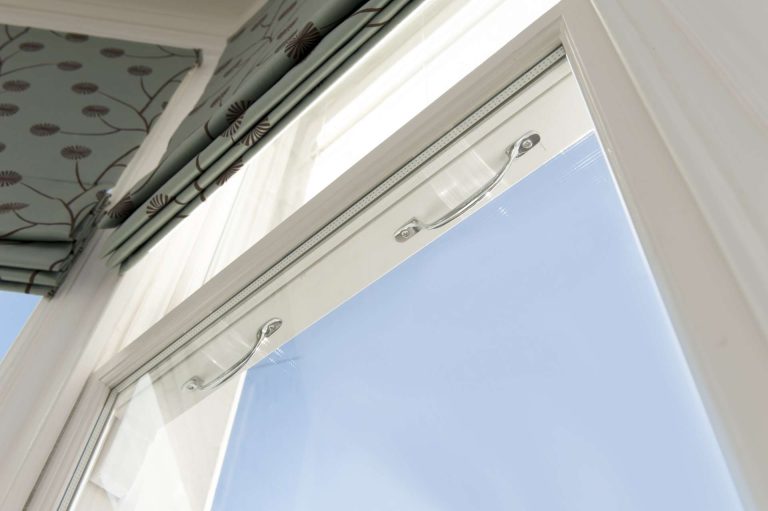
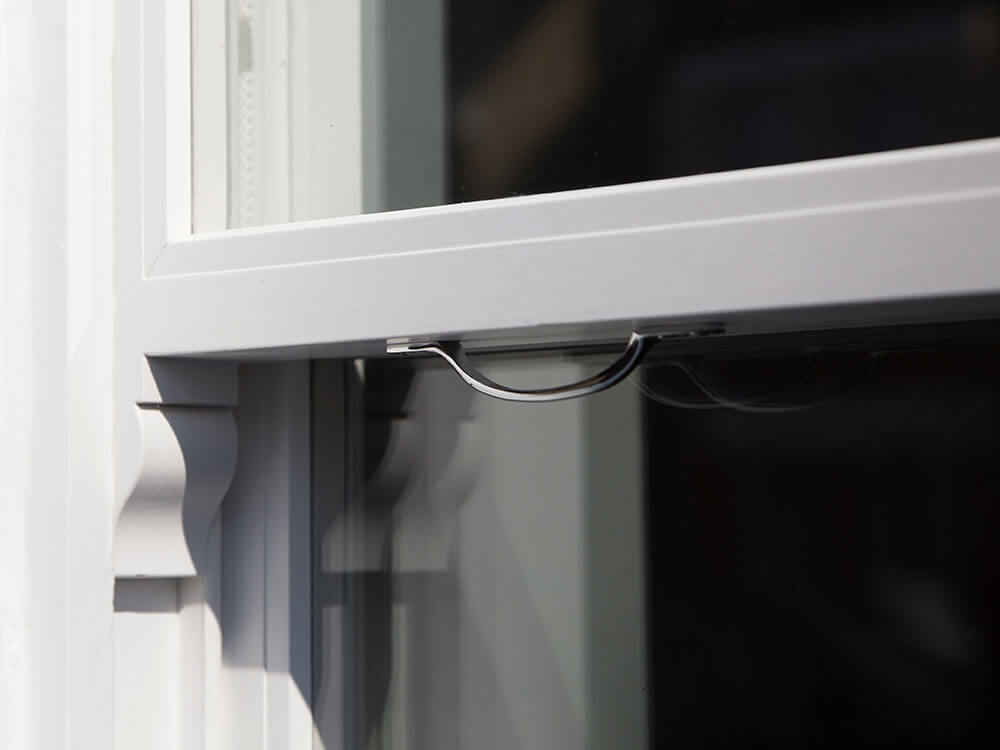
The sashes will slide up or down with weights and cords, or in some more modern windows, spiral balances, allowing you to open the window. When closed, the top and bottom sashes will be locked together at the midrail to prevent them from sliding. There may be lifts on the inside or handles on the outside attached to the sashes to help you open them, depending on the window design.[/vc_column_text][/vc_column][/vc_row][vc_row][vc_column][vc_column_text css=””]
What sash windows look like (key features)
[/vc_column_text][dt_media_gallery_carousel image_border_radius=”0px” slides_on_wide_desk=”4″ slides_on_desk=”4″ slides_on_lapt=”4″ slides_on_h_tabs=”3″ slides_on_v_tabs=”2″ project_icon_border_width=”0px” arrow_bg_width=”36x” arrow_border_width=”0px” r_arrow_icon_paddings=”0px 0px 0px 0px” r_arrow_v_offset=”0px” l_arrow_icon_paddings=”0px 0px 0px 0px” l_arrow_v_offset=”0px” include=”14100,14101,14102,14103,14104,14105,14106,14107″][ultimate_spacer height=”20″ height_on_tabs=”20″ height_on_tabs_portrait=”20″ height_on_mob_landscape=”20″ height_on_mob=”20″][/vc_column][/vc_row][vc_row][vc_column][vc_column_text css=””]Timber sash windows are a defining feature of period homes across London and beyond. While designs vary by era and region, you’ll typically see:
- Slim timber profiles that keep sightlines elegant.
- Meeting rails where the two sashes meet.
- Glazing bars (in Georgian, Victorian or Edwardian patterns) or clear panes in later styles.
- Horn details (on many Victorian windows) are normally at the base of the upper sash for strength and decoration.
- Traditional ironmongery – fasteners, lifts, and sash stops that are both functional and decorative.
Understanding sash windows – the individual parts
There are various parts that make up a sash window and keep it working as it should. They give this type of window its distinctive appearance, as well as making sure it is thermally efficient and will open and close as needed.
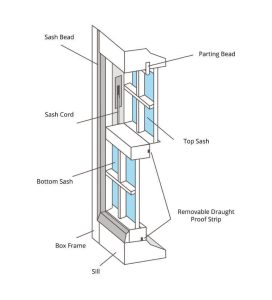
These are the main components that make up a traditional, weights and cords sash window:
- Sash, or sashes: there will usually be two sashes, which are the frames that contain the glass. They are movable to allow you to open the window.
- Box frame: this is the window frame that contains the sashes.
- Sash cord: the cord is attached to the side of the sash and is fed through a pulley. It is also attached to the sash weight inside the box frame.
- Sash weight: the purpose of the weight is to counterbalance the sash to allow the window to open. It will weigh the same as the sash, and will be made from steel, cast iron or lead.
- Staff bead: a staff bead is an internal trim that sits around the inside of the box frame. Its purpose is to keep the sashes in position within their frame. Often, when you have a newer staff bead, it will also contain a draught seal.
- Parting bead: this is a vertical seal that is fitted into the box frame and creates a channel for the top and bottom sashes – it stops the top and bottom sashes rubbing against each other when they slide up and down. As with the staff bead, when you have a newer parting bead, it will often contain a draught seal.
 Some window sashes will also have these additional features, which might alter the appearance or improve the functionality in some way:
- Glazing bars:these are wooden sections that divide a sash into multiple panes of glass. Traditionally, these were “real dividing” bars – physical separators holding individual panes, as seen in Victorian and Georgian windows. At that time, applied bars didn’t exist, since single glazing couldn’t support that design.Today, applied glazing bars are more common. They’re fitted onto the surface of double-glazed units to recreate the look of smaller panes. This approach maintains the traditional appearance without the need for heavy, thick bars required for true divided double glazing, which tend to look less authentic.
- Sill: all sash windows will have an outside sill which forms part of the overall box frame. The outside sill is the part onto which the bottom sash sits and it is usually angled to allow rainwater runoff which protects from moisture and rot. The inside sill is largely a decorative feature which does not form part of the frame.
- Draught-proof strips: these can be fitted to help improve the thermal efficiency of a sash window. Your window might already have them, as they are often included with a parting/staff bead (especially if the parting/staff bead, or the window as a whole, is quite new).
Window sash vs casement: what makes a sash unique?
- Opening movement: sashes slide vertically (sometimes horizontally on special designs), whereas casements hinge open like a door.
- Ventilation control: with sashes, you can open top, bottom, or both to create a natural convection flow with cool air in at the bottom, warm air out at the top.
- Street presence: sashes generally have slimmer, more symmetrical sightlines, often preferred for period façades. Casements can suit modern aesthetics or specific performance goals, but read differently on traditional elevations.
- Maintenance access: sash components (cords, beads, weights) can be serviced without removing the whole window. Casements have fewer moving parts but rely on hinges and stays.
If you’re interested in learning more, see our wooden sash windows and casement windows service pages, or contact our team for a free consultation.
Why wooden sashes remain popular over uPVC for heritage and aesthetics
Authenticity and character: timber faithfully replicates the crisp profiles and fine detailing of historic joinery, whereas uPVC profiles tend to look bulkier and less refined.
Planning compatibility: if you live in a conservation area or a listed property, local authorities will usually require or strongly prefer timber because it preserves the original appearance of the façade.
Repairability: timber sashes can be repaired, spliced and refinished, which allows you to extend their life without having to replace the entire window.
Longevity: when they are properly maintained and finished with modern coatings, quality hardwood or engineered softwood sashes can last for decades.
Feel and finish: a painted or stained timber surface has a depth and warmth that complements period brickwork and traditional joinery in a way most plastics cannot.
Glazing in window sashes
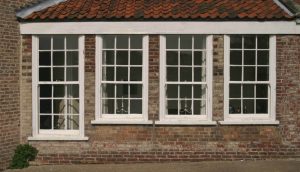 Modern window sashes will usually contain double glazing,
and there are additional glass options you can choose from as well, like acoustic glass or safety glass.
There could be other factors that affect the type of glass you can have in a sash, including:
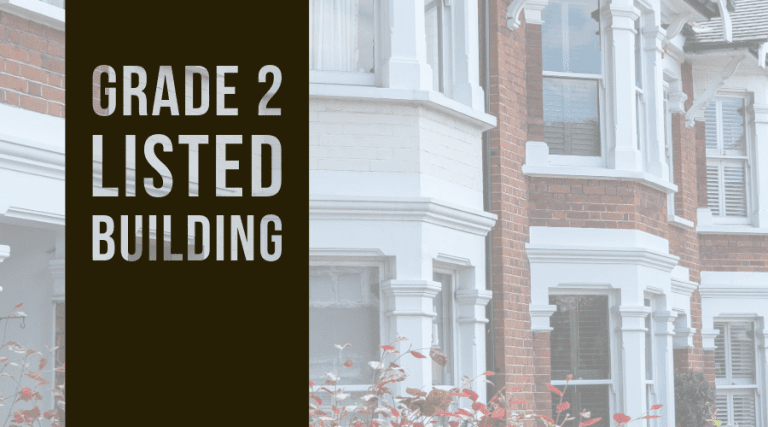
Listed building status
It can be challenging to fit double glazed windows in a listed building, as you will need to have the right permission to do so. It might be that you need to stick with single glazed windows and make sure they are as thermally efficient as possible by restoring the sashes. Alternatively, it may be possible to include Slimlite glass, which is very thin double glazing.
The ideal glazing option for sashes in listed buildings or conservation areas is vacuum insulated glazing. This is a premium glazing option that can be retrofitted into existing sash frames due to its super slim profile; however, it offers thermal capabilities equivalent to that of triple glazing.
The space within the sash
The glass will need to fit into the sash – if we are installing acoustic glass, for example, we will only do this if we are completely replacing the window. Old sash windows may need to be replaced if they cannot be double glazed.
Your budget
If you want to install a specialist type of glass, such as acoustic or safety glass, this will add to the cost of your windows. You can get a quote for different types of glass in your new sashes to see if it will be affordable.
How do you keep a window sash working as it should?
As with anything, a window sash will need to be maintained in order to keep it working as it should. If you have older sash windows in your property, they might require more maintenance to keep them in good condition. Newer sashes will need some degree of maintenance as well, even if it is just a new coat of paint every once in a while. The charm of a sash window is in its appearance, so most homeowners want to keep their windows looking their best.
If your sashes need more maintenance, it is perfectly possible to repair them and carry out an in-depth overhaul. Sometimes though, sashes are damaged beyond repair. In this instance, either you can replace individual window sashes or replace the whole window, top and bottom which is our recommended approach. This can make the window much more thermally efficient, especially if you opt for double glazing in your new sashes. Find out more about sash window repairs.
Signs your window sash may need repair or replacement
If your property already boasts sash windows and they are showing signs of wear and tear, you may be pondering whether to repair or replace your sash windows? We have a wealth of experience in repairing and replacing sash windows, but if you are unsure what the difference between the services is, check out our blog for more information.
Addressing issues early is usually far more cost-effective than waiting for broader decay.
- Sticking or dropping: sash won’t stay up or slams shut, often a snapped cord or an imbalance.
- Excessive draughts: worn beads or missing seals.
- Rattling panes or cracked putty: glazing may need re-bedding.
- Visible rot at sills, lower rails or glazing bars.
- Condensation between panes on double glazing: the unit has failed and needs replacing.
- Loose joints: rails separating from stiles indicate movement or decay.
Maintaining wooden window sashes to extend their lifespan
Stay on top of paint: Sand, prime, and repaint before any coating begins to fail, especially on south‑ and west‑facing elevations that bear the brunt of sun and weather. Keeping the paint film intact prevents moisture from entering the timber and avoids costly remedial work later.
Mind moisture traps: Keep putty lines continuous and in good condition, and ensure there are clear weep paths so water can escape rather than sitting against the wood. This simple step reduces the risk of rot, staining, and premature failure of coatings.
Treat early signs of decay: At the first hint of softness or discolouration, consolidate the area with a suitable wood hardener and carry out neat splice repairs instead of waiting for damage to spread. Early intervention preserves more of the original fabric and keeps repair costs down.
Protect moving parts: Apply a small dab of candle wax on contact points and along the beads to help the sashes travel smoothly without attracting grit or dust. Avoid oil‑based lubricants, which can collect dirt and mark surrounding paintwork.
Ventilate little and often: Open the top and bottom sashes slightly to create steady airflow that lowers humidity and reduces condensation around the timber rails. Consistent ventilation helps paint and putty last longer and keeps the room more comfortable.
Schedule periodic surveys: Arrange a professional inspection every few years to check balances, cords, seals, and glazing lines so any issues are caught early. A short, regular visit keeps performance high and extends the overall lifespan of the windows.
Repairing and replacing sash windows
If your property already boasts sash windows and they are showing signs of wear and tear, you may be pondering whether to repair or replace your sash windows? We have a wealth of experience in repairing and replacing sash windows, but if you are unsure what the difference between the services is, check out our blog for more information.
Repair vs replace: how to save on costs
- Prioritise repairs where timber is sound: Splicing, re-bedding glass, renewing cords, and fitting brush seals are typically more economical than full replacement and preserve original fabric.
- Re-sash when the frame is good: New double‑glazed sashes into a solid box frame deliver performance gains with less disruption and cost than full replacement.
- Choose full replacement only when necessary: Extensive rot, movement or persistent water ingress in the frame usually makes a complete new box frame the better long‑term value.
- Plan per elevation: If budgets are tight, tackle the worst‑affected windows first and schedule others later without compromising the final look.
When repair makes sense
- Localised decay: Splice in new timber, treat, then prime and paint.
- Failed cords or pulleys: Replace cords and service pulleys; re-balance the weights.
- Draughts and rattles: Install brush seals and adjust beads; re-bed glazing if needed.
- Glazing upgrades: Fit slimline double-glazed sashes to an existing sound box frame (subject to suitability and consents).
When to replace sashes (and keep the frame)
If the box frame is sound but the sashes are beyond economic repair, you can install new bespoke timber sashes matched to your originals. This approach minimises disruption to plasterwork and décor, delivers immediate performance gains through improved glazing, seals and balances, and preserves the exterior appearance where the frame defines the sightlines.
When a full replacement is the smarter choice
A full sash window replacement is the smarter choice when the box frame is rotten, out of square or structurally unsound; when there is widespread decay or persistent water ingress; or when you want a comprehensive upgrade in thermal, acoustic and security performance.
A full replacement allows you to integrate modern detailing, high-performance glazing and precision balances while maintaining the period look from the kerbside. Learn more about sash window replacement options.
Bespoke joinery: faithfully preserving period details
One of the joys of working with timber is how beautifully it recreates traditional craftsmanship, helping you preserve the look and feel that first drew you to the property.
With bespoke joinery, we can design windows that match the distinctive character, mouldings, and profiles of your property’s period – including details such as meeting rails, horn shapes, and glazing bars – whether Georgian, Victorian, Edwardian, or from the early 20th century.
You can also specify your preferred glazing bar design and select the most suitable glass type. In addition, you can choose premium timber, either hardwood or softwood, for long-term stability and durability, and opt for paintwork in authentic heritage colours to complete the look. This level of control helps preserve your property’s character, often meets conservation requirements, and provides modern comfort and reliability.
Is there anything else you want to know about window sashes?
Hopefully, you now understand what a window sash is, and how it works within the sash window as a whole. If you have more specific questions about sash windows, please don’t hesitate to let us know. We are here to help.
Call Wandsworth Sash Windows on 020 3930 1379, email info@sashwindows.london or fill in our contact form.[/vc_column_text][/vc_column][/vc_row][vc_row][vc_column width=”1/4″][/vc_column][vc_column width=”1/2″][vc_empty_space]