
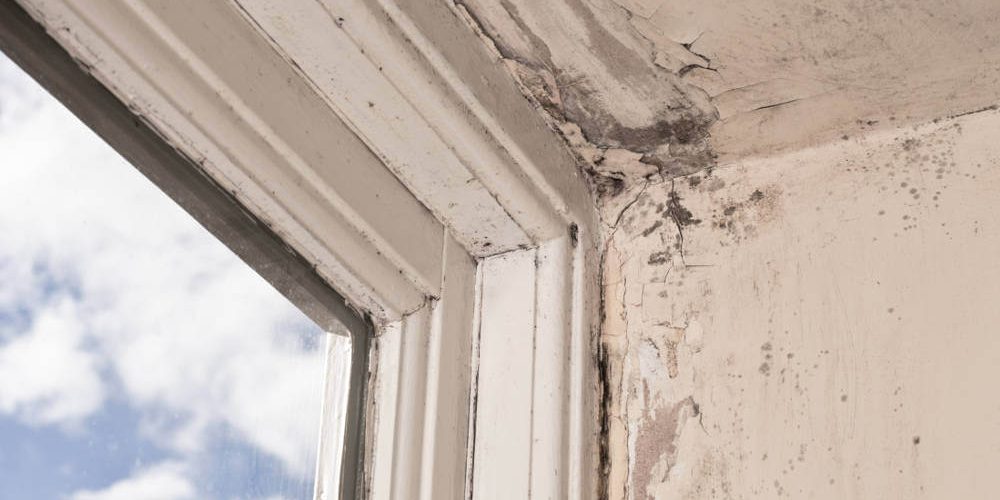
Timber windows can last for generations if you keep moisture and sunlight in check. This guide explains the real reasons rot starts, why window sills rot first, and exactly how to stop wood rot in windows with simple maintenance, smart ventilation and, when needed, professional stop-the-rot window restoration techniques.
What actually causes wooden windows to rot?
Wood decay fungi need three things: moisture, oxygen and a food source (cellulose in the timber). Your windows supply two of those by default – add trapped water and rot begins. Left to their own devices, tiny hairline cracks in paint and putty let water creep into the end grain, where it lingers and feeds decay fungi. At the same time, UV light chalks and brittles paint films, so they stop shedding rain the way they should. Seasonal expansion and contraction then widens joints, pulling sealant away from corners and giving moisture an easy route back in.
Common culprits include:
- Moisture penetration: Failed paint, cracked sealant or open joints let rain soak into end grain. Condensation on the inside does the same.
- Poor drainage: Blocked drip grooves or cills that have lost their fall keep water sitting on the timber.
- UV exposure: Sunlight degrades paint films, making them chalky and brittle so water can creep in.
- Inadequate ventilation: Stale, humid indoor air condenses on the coolest surface, often your sash frames.
Expert insights
We spoke to Wandsworth Sash Windows’ surveying expert Paul, who gave us some interesting background about how rot seems to affect modern wooden windows. He states; “In the UK, from the 1980s onwards, windows were often made from poor quality timber which was fast-grown and open-grained for cheapness. The reason for this was because timber windows needed to compete with the new UPVC plastic window market when it boomed. As a result, we find that we are replacing more modern windows recently of this era, due to rot. By comparison, often original sash windows are still lasting despite being much, much older.”
Paul has decades of experience in the construction industry generally, and he has been working as a surveying expert for Wandsworth Sash Windows for a number of years. His expert professional guidance extends to spotting some early warning signs of rot.
He advises that “one of the first early warning signs are windows which are sticking or awkward to operate due to swelling or water ingress. This then continues to split the paint. Wooden windows can expand and contract with the changing temperatures. It is important to keep opening and closing them regularly so you identify extremely early any swelling and address it immediately. This is noted in the Maintenance Guidance we provide all our customers once we have completed an installation for them. Another initial indicator of rot is insect infestations around the damp areas of windows. Look out for this.”
Why do window sills rot first?
Sills (or cills) bear the brunt of weather. They’re horizontal, catch rainfall, and collect spills from watering plants or cleaning. Tiny cracks in the paint let water sneak into the bare ends of the wood, which soak it up like a sponge. Once that happens, the timber stays damp and starts to decay. Keep the paint sealed and you stop that “soaking” from ever starting. Add standing water due to blocked drainage or failed drip grooves, and you have the answer to why window sills rot so quickly.
Early warning signs:
- Soft, spongy patches under the paint
- Flaking, bubbling or discoloured coatings
- Dark staining around joints or putty lines
- Musty smell, especially after rain
Routine care: how to stop wood rot in windows day to day
A gentle, regular routine keeps rot at bay, especially important if you’re caring for period joinery and wondering how to clean old wood windows without damaging them. These habits are the foundation of how to stop wood rot in windows cheaply and effectively.
Quick monthly checklist
- Wipe down condensation each morning in cooler months (a microfibre cloth is ideal).
- Check paint for hairline cracks and touch up promptly.
- Run a soft brush around sash tracks so debris doesn’t trap moisture.
- Make sure trickle vents and air bricks aren’t blocked, good airflow is half the battle.
Safe cleaning: how to clean wood windows (and frames)
Knowing how to clean wooden windows safely protects finishes and makes inspections easier. The same applies when you need to know how to clean wood window frames or how to clean old wood window frames with fragile paint layers.
You’ll need: a soft brush or vacuum nozzle, pH-neutral soap or diluted vinegar, microfibre cloths and a barely damp sponge.
Steps (adapted for timber care):
- Prep the area: Clear cables, lay a towel on the sill, and make sure you have stable footing.
- Dry dust first: Vacuum or brush corners and meeting rails so grit won’t scratch glass or paint.
- Work sash by sash: With sash windows, lower the top sash first so you can reach the outer pane from inside.
- Glass first: Spray cleaner onto the cloth (not the pane) and wipe in an ‘S’ motion.
- Frames second: Lightly wipe with your damp (not wet) sponge. Dry immediately with a clean cloth.
- Repeat for each section: Move sashes to expose every surface, allowing each to air-dry.
“Stop the rot” window restoration methods
When decay has already started, you can still rescue most sash frames with targeted repairs, hence the popularity of stop the rot window restoration services.
Typical methods include:
- Epoxy/resin repairs: Decayed sections are cut back to sound timber, treated, then rebuilt with a structural repair resin. Ideal for localised cill and lower rail damage.
- Timber splicing (“Dutchman” repairs): Rotten sections are surgically removed and replaced with new, treated hardwood pieces, carefully matched to the profile.
- Consolidants and primers: Penetrating epoxies stabilise soft fibres, followed by high-build primers to restore a solid paint base.
- Full strip and repaint: When coatings have failed across the board, stripping back to bare wood allows you to rebuild protection properly, primer, undercoat, topcoat, sealing every end grain.
Professionals will decide which combination preserves the most original timber while keeping costs sensible.
Repair or replace? Knowing what’s the best approach
There’s a tipping point where continuous patching becomes a false economy. Consider full replacement when:
- More than 25–30% of a frame is rotten or structurally compromised
- Historic details are already lost and replication makes more sense
- Energy upgrades (like double glazing in new sash windows) will pay back quickly
- The window no longer operates safely despite multiple repairs
Here is one of our experts Paul, again, to provide his advice based on years in the industry. He says; “Firstly, when there is extensive rot or the potential for structural damage. If your wooden window frames are soft, spongy or crumbling, then repairs are only a temporary fix. Wooden windows where the frames are like this are often irredeemable and any repair work will not last long enough for the cost involved. These crumbling wooden frames may have already allowed water ingress into the main structure of the building including; within the decorative plaster or in surrounding wall mouldings or coverings.”
Another signal that restoration would not be cost-effective is if your windows are suffering from persistent draughts and condensation. Failed seals and warped frames often lead to recurring installation issues that repairs will not fully solve.
Multiple repairs over time are never worth the money spent. If a wooden window has been patched up repeatedly then the cumulative cost of this may exceed that of replacement. Regularly re-doing old repairs is usually a false economy.
Outdated or blown glazing may be a sign that repairs are not a wise investment. Single-glazing or failed glass units have no thermal value at all and even dated double-glazed glass units cannot meet the efficiency of modern alternatives.
If your wooden windows are over 20 years old, then it might be a good idea to do a full replacement. Older windows lack the thermal efficiency and security features of replacement wooden windows, especially as all our products are fully finished and guaranteed.
Windows that will last
Stay ahead of moisture and you’ll stay ahead of rot. With regular cleaning, fast touch-ups and good airflow, you’ll seldom need emergency fixes, or worry about how to stop wood rot in windows at 2 a.m. When damage does appear, stop-the-rot window restoration techniques can give your window frames a new lease of life. And if the numbers don’t stack up, well-made replacement sash windows may save you money and stress in the long run.
Need tailored advice or a professional eye? The team at Wandsworth Sash Windows is always happy to help – reach out to us for any advice or quotes.
FAQs About Stopping Rot on Wooden Windows
Here are some more tips and some helpful pointers for stopping rot on wooden windows – questions that we often get asked by our customers:
Use a lightly damp cloth, pH-neutral soap and dry immediately. Avoid abrasives.
Start gently: dry dust, then spot-test a mild cleaner. Consider a professional survey if the paint is flaking or the timber feels soft.
Treat the mould, then tackle the cause, usually trapped moisture or failed ventilation. A dehumidifier in winter can help.
Use conservation-friendly products (vinegar, specialist biocides) and minimal water. Document any intervention for heritage records.
Wear PPE or hire a professional; exposure can trigger symptoms. Swift drying and ventilation reduce future spores.
Let the area dry fully first. Then clean, inspect for softness, and repaint or repair as required.
How to clean old wood window frames that are cracked? Don’t saturate them. Clean, dry, then fill/sand and repaint to reseal the cracks.