Timber Sash Windows vs uPVC: A Comprehensive Comparison
Few architectural details define a period home quite like sash windows. Their graceful lines and easy gliding action offer both heritage charm and practical ventilation. Yet when it comes to replacing or upgrading sash windows, homeowners are quickly faced with a key decision: timber vs uPVC windows. Below, we explore the strengths and weaknesses of each material so you can make an informed, future-proof choice.
1. Durability and Lifespan
Timber that stands the test of time
High-quality, sustainably sourced hardwood or engineered softwood sash windows are remarkably robust. When crafted and installed correctly and given routine care, wood sash windows can comfortably last 60 – 80 years, sometimes even longer. In conservation areas across London, you’ll still find original Victorian or Georgian timber frames doing sterling service more than a century after first being hung.
uPVC’s shorter service life
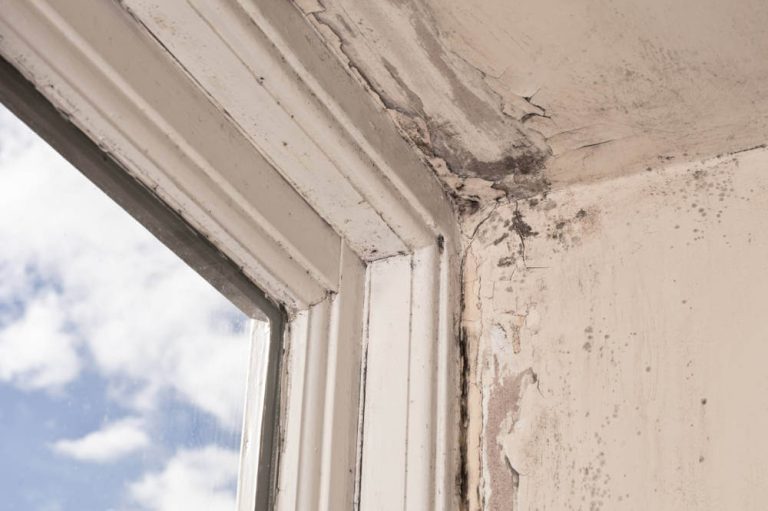
By contrast, the average lifespan of modern uPVC sash windows is usually quoted at 25 – 35 years. Frames can become brittle with prolonged UV exposure, hinges and balances may fail, and discolouration is not uncommon. In other words, high-quality timber sash windows can last more than twice as long as uPVC, an important consideration when you weigh long-term value rather than headline purchase price.
2. Aesthetics and Authenticity
Natural warmth vs. manufactured uniformity
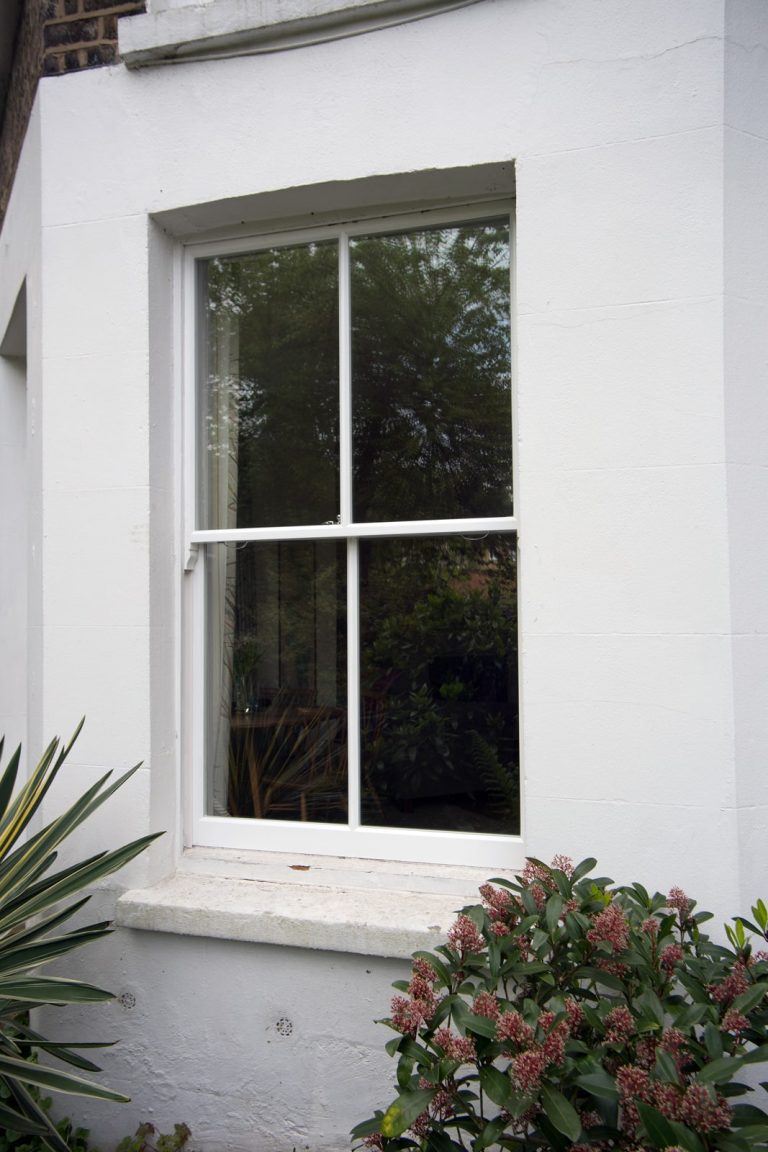
No synthetic material truly replicates the fine grain, depth and gentle variance of real wood. Timber offers a tactile quality that instantly reads as authentic; it can be finished in any colour, stain or varnish and repainted over time to suit new décor. This flexibility makes wood vs uPVC windows an easy win for listed properties or period restorations where retaining original proportions, mouldings and glazing bars is vital.
uPVC frames tend to have broader, flatter profiles to house steel reinforcements. Even with textured “wood-grain” foils, their appearance is more uniform and, some would argue, colder and more industrial. If kerb appeal and architectural integrity rank high on your wishlist, timber invariably feels more at home.
3. Maintenance Requirements
Timber: steady upkeep, lasting rewards
It’s true: wooden frames demand a little love. We recommend washing down paintwork yearly and applying a fresh microporous finish roughly every 7-10 years (sometimes longer with modern coatings). Hinges and sash cords should be freed of paint and lightly oiled. These tasks are simple DIY jobs for most homeowners and, crucially, preserve that century-long lifespan.
uPVC: almost maintenance-free
One of uPVC’s chief selling points is its promise of “fit-and-forget” convenience. Frames need only an occasional wipe with soapy water. Yet balances still require adjustment, and weather seals can flatten or perish. Unlike timber, however, uPVC cannot be repaired or refinished easily: when damage or discolouration sets in, full replacement windows is usually the only solution.
4. Environmental Impact
Choosing timber over uPVC reduces your window’s carbon footprint by up to 40%, according to independent lifecycle assessments.
Sustainably managed woodland
Modern timber windows sourced from FSC- or PEFC-certified forests lock away carbon throughout their life, and production consumes comparatively little energy. Once a timber window finally reaches retirement, the frame can be repurposed, recycled into biofuel, or allowed to biodegrade naturally, an eco-cycle in harmony with the environment.
The cost of convenience
uPVC is derived from fossil fuels and involves chlorine and other additives in manufacture. Its production produces twice the carbon emissions of timber alternatives. Disposal is trickier, too: while some recycling routes exist, mixed-grade plastic often ends its life in landfill or incineration. So, when comparing uPVC vs timber windows from a green-credentials perspective, wood is the clear frontrunner.
5. Cost Comparison
| Cost Stage | Timber (average) | uPVC (average) |
| Up-front purchase | Higher | Lower |
| Routine maintenance | Moderate (£ paint/varnish) | Low (£ cleaning products) |
| Mid-life repair | Economical (local joiner) | Costly (part replacement) |
| End-of-life replacement cycle | 60-80 yr intervals | 25-35 yr intervals |
Crunching the numbers
- Timber vs uPVC windows cost on day one typically favours uPVC by around 15-25 per cent.
- Factor in one full uPVC replacement over 60 years, repainting costs for timber, and inflation, and uPVC vs wood windows cost shifts dramatically. Over a comparable lifespan, timber often proves more economical.
- A well-maintained timber sash will also protect your home’s resale value; period buyers expect genuine wooden windows, not plastic substitutes.
6. Comfort, Security and Energy Efficiency
Both materials can achieve modern U-values as low as 1.2 W/m²K with double glazing, argon fills and warm-edge spacers. Multi-point locks, toughened glass and laminated units are available in timber and uPVC alike. In other words, energy bills and security demands need not dictate your material choice, your decision will largely revolve around aesthetics, eco-impact and life-cycle cost.
7. Summing Up: Which Material Wins?
- Durability: Timber sash windows outlast uPVC, offering twice the service life with proper care.
- Aesthetics: Wood provides unmatched authenticity and heritage styling.
- Maintenance: While timber needs repainting, it can also be fully refurbished, uPVC cannot.
- Environment: Sustainably sourced timber carries a far lighter ecological footprint than plastic.
- Cost: Although uPVC wins on initial outlay, the longer lifespan and added property value of timber often offset that early saving.
Ultimately, uPVC sash windows versus wood boils down to values and priorities:
- If you seek the most faithful heritage appearance, minimal environmental impact and a product that could delight the next generation of homeowners, timber sash windows are the natural choice.
- If you favour a lower up-front spend and don’t mind a shorter service life or a more contemporary look, uPVC sash windows may suit your needs.
Ready to Explore Bespoke Timber Sash Windows?
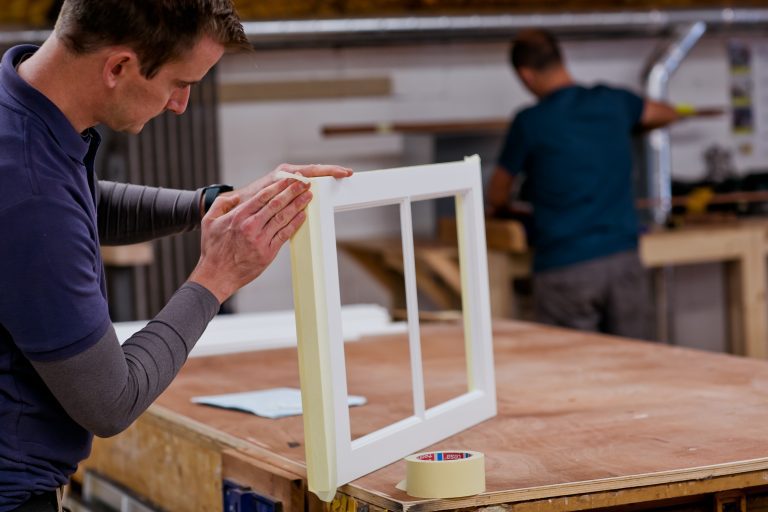
At Wandsworth Sash Windows, we handcraft premium FSC-certified wooden sash windows which can be viewed in our West London showroom, blending period authenticity with cutting-edge glazing technology. Our experienced team is on hand to discuss your project, compare uPVC vs wood windows in detail, and provide a free, no-obligation quotation.
For homeowners who value authenticity, long-term value and sustainability, timber isn’t just the natural choice – it’s the superior one. Contact us today to discover how timeless timber can elevate your home, beautifully, sustainably and for decades to come.