
If you are planning a sash window replacement, it helps to look at the whole picture before you commit. For most homeowners, the decision is not simply about swapping old windows for new ones. It is about preserving the look of a period home, improving comfort, understanding whether repair still makes sense, and choosing replacement sash windows that will suit the building properly for years to come.
Done well, replacing sash windows can lift the appearance of a property from the street, improve warmth and reduce draughts, make the windows easier to use, and give you a more secure and longer-lasting result. Done badly, it can leave a period home looking out of character and can undo much of what makes sash windows so appealing in the first place. Below, we cover the main things to think through before you replace sash windows, from repair decisions and materials to glazing, ironmongery and installation.
Why sash windows are so highly valued
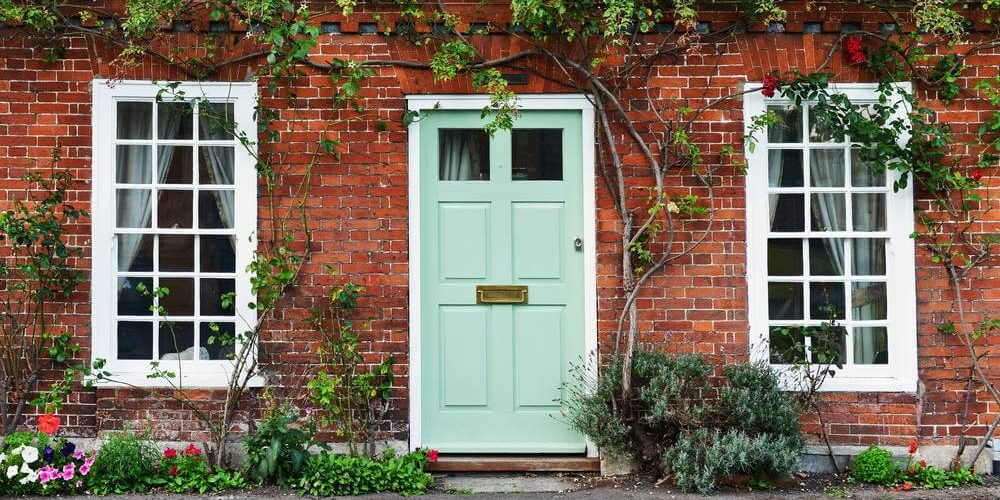
Sash windows are one of the defining features of a period property. They add character, proportion and elegance to the front elevation in a way that few other building elements can. When they are in poor condition, though, they can have the opposite effect. Tired single-glazed sashes with flaking paint, failed putty, rotten timber, or broken glass can make the whole property look neglected from the street. Replacing them with well-made, properly fitted timber sash windows can transform the appearance of a home. From a kerb appeal point of view, they are one of the first things people notice. If the front windows look smart, fully operational and well finished, it immediately gives a better impression of the house as a whole.
That visual impact is part of why sash window replacement matters so much. When people view or drive past a property, they are usually judging a handful of visible external features: the roof, the brickwork and the windows. Poor windows suggest deferred maintenance more generally, whereas good replacement sash windows make the property feel cared for and higher quality. In that sense, replacing sash windows is not just about practical performance, it is also about preserving the appearance and perceived value of the home.
Should I replace my sash windows?
Thinking of replacing your sash windows? It’s not as complicated as you may have thought, but there are a few things that you need to consider and keep in mind as you decide what to replace them with. To help, we have compiled a list of what those are and why they are important.
Sash windows are typical of Georgian, Victorian, and Edwardian architecture, although they are widely used across modern designs as well. Original sash windows are made of timber although there are a number of uPVC options currently on the market. There will come a time when the timber frames of your original sash windows will start to show significant wear and tear.
Can sash windows be repaired?
It is recommended that you repair them wherever possible in order to retain the character and look of your home. If you do opt for repair this will involve removing any rotten timber, draught-proofing, re-balancing the sashes, and servicing the pulleys to keep you windows going for a good few more years.
That said, the more useful question is often not whether a repair is technically possible, but whether it is economically sensible and whether it will give a good long-term result. Almost any sash window can be repaired in theory. Rotten sections can be cut out and spliced, damaged putty can be renewed, glass can be replaced, resin repairs can be used, draught proofing can be added and worn components can be overhauled. The issue is whether all of that labour still leaves you with an old single-glazed window that may need more work again in the near future.
When you decide to replace your sash windows
If the damage is beyond repair then it’s time to replace them. A few things to keep in mind as you decide what the next steps are:
- Conservation areas. If you live in a conservation area the chances are that there will be some restrictions on what you can do when you replace your sash windows. This is so that the character of the area is retained. For example, it may not be possible to replace timber frames with uPVC ones, or that the replacement must be a similar design. Check with your local authority’s planning team for advice if you are unsure.
- Planning permission. If your home is listed or in a conservation area you may need to apply for planning permission before making any changes to your home. There are a number of factors that may determine this so it is best to seek advice early – check the Government Planning Portal for details on what may be required. Again, this is done to preserve the character of a building and the local area.
- Choosing between timber and uPVC. While there are some excellent uPVC options on the market, there are pros and cons to both types of material. While timber will last longer it requires more maintenance than uPVC which in turn will require less maintenance but will have to be replaced in whole when the time comes – unlike timber.
While there is plenty to think about when you are considering whether or not to replace your sash windows, rest assured that it is not as complicated as you may initially think. With more and more designs on the market, as well as bespoke solutions, it is possible to replace your sash windows with something that is similar to what you have so that you do not lose the character of your home – from the inside as well as the outside.
If you are thinking of replacing your sash windows and would like some advice and to talk through the options, Wandsworth Sash Windows is here to help. We have many years experience designing and installing replacement sash windows and doors, so please don’t hesitate to get in touch to discuss your project.
Repair or replacement: how to make the right call
In practice, repair becomes a bad idea when the labour involved is extensive and the outcome still leaves the homeowner with an old window that is single glazed, limited in performance and likely to require more work again in a few years. On-site repair labour is expensive, and major refurbishment often takes more time than people expect. It is entirely possible to spend a significant amount repairing a sash window only to be left with an ageing product that still has inherent limitations.
This is why a professional survey matters so much. A good company will not recommend repairs simply because a customer asks for them. If replacement is cheaper over the longer term, performs better and is likely to give a more durable result, that should be said clearly. In many homes, the best option is not a full frame replacement but a sash replacement service, where new double-glazed sashes are installed into sound existing box frames. In other cases, the whole window needs renewing. The right answer depends on the condition of what is already there.
If you are weighing up the options, it is worth reading more about repair or replace sash windows alongside the practical details of our replacement sash windows service.
Timber vs uPVC for replacement sash windows
The choice of material is another major consideration. For sash windows, the most meaningful comparison is usually timber versus uPVC. Timber has the advantage of being repairable, maintainable and more in keeping with the look of a traditional property. It can be rubbed down, repainted and maintained over a long period of time, which means a good timber sash window can last for many decades if cared for properly. uPVC, by contrast, is generally cheaper upfront and appeals to homeowners who want a lower-maintenance option in the short term. However, it is effectively a fit-and-forget product that is then replaced when it reaches the end of its life. It does not offer the same longevity, repairability or visual authenticity as timber.
That appearance point is especially important with period homes. Many buyers actively want original-style features, and replacement timber sash windows often support that expectation better than uPVC ever can. Even where uPVC is newer, it can still be seen as a downgrade on the right property. For homes with traditional architecture, timber tends to offer the better result in terms of both character and long-term suitability.
For many London properties, especially those in conservation areas or with strong period character, timber sash window replacements are usually the route that sits best with the building. They keep the right proportions, can be detailed properly, and can be maintained rather than simply discarded when parts begin to age.
Choosing glazing for sash window replacements
Glazing is another key part of the replacement decision. The biggest improvement for most homeowners comes from moving from single glazing to slim, well-detailed double glazing within a new timber sash window. That upgrade improves thermal performance significantly while still preserving the traditional appearance of the window. A typical old single-glazed sash window performs poorly in energy terms, whereas a new double-glazed timber sash window can bring the overall performance down to a much better U-value and make a noticeable difference to comfort.
In most cases, double glazing is the right balance between energy efficiency, appearance and practicality. Triple glazing is often not well suited to traditional sash windows because the thickness required changes the proportions of the window too much and can make the joinery bulkier than is desirable. For homeowners who need enhanced sound reduction, acoustic double glazing is often a more relevant option. Vacuum insulated glass may also be worth considering on certain projects where sightlines or conservation constraints are especially important. The main point is that glazing should be chosen to suit the building and the performance goals, rather than assuming thicker always means better.
If budget is part of your decision, our recent timber sash windows cost guide explains the main price differences between sash replacement windows and complete renewal.
Why professional installation is so important
Professional installation is just as important as the product itself. Replacement sash windows need to be made accurately, fitted correctly and installed in a way that complies with building regulations. Competent installation affects everything from how the sashes slide to how the frame seals to the building, how the glazing performs and how the finished window looks internally and externally. A poor installation can undermine even a good-quality product.
This is also where working with experienced, properly accredited installers becomes important. If you are replacing full frames, you should expect the work to comply with building regulations and to come with the relevant paperwork, including FENSA certification where applicable. Choosing a FENSA-qualified or otherwise properly accredited team helps protect both the quality of the installation and the documentation you may need in future if you sell your home.
It is worth asking not just who is making the windows, but who is fitting them, how much experience they have with older buildings, and how the company deals with the surprises that period properties so often reveal once the old window comes out.
Hardware, finishes and decorative details
When it comes to finishes, hardware and decorative details, the most important principle is usually consistency with the property. In most sash replacement projects, the right approach is not to reinvent the window but to reproduce what suits the building already, only in a better, more functional and more durable form. Matching the original proportions, glazing bar layout and overall style is usually more important than treating the process like choosing from endless design options. The best replacement sash windows tend to look as though they belong to the house.
That includes details such as horns, meeting rails, glazing bars, ironmongery, pulleys, lifts and fasteners. It also includes the paint finish and how well the new work relates to the existing joinery in the property. Good sash replacement windows should not look generic. They should look as though they were made for that specific opening and that specific house.
How long replacing sash windows usually takes
Homeowners also often want to know how disruptive the work will be. As a general rule, sash window replacement is usually carried out at a rate of around one to two windows per day, depending on the complexity of the project and the condition of the existing openings. Preparation helps reduce disruption. Rooms should be cleared as sensibly as possible, especially surfaces and belongings close to the windows, because installation work inevitably creates dust even where care is taken. It is also helpful for the homeowner to understand the installation sequence in advance so they know which rooms will be affected and when.
If you are gathering rough figures before booking a survey, our guide on how to measure sash windows explains the basics. That can be useful when you first start comparing sash window replacement options and budgets.
Final thoughts on replacing sash windows
Overall, replacing sash windows is a balance of aesthetics, condition, performance and practicality. The best outcomes come from looking at the whole picture: whether repair is truly worthwhile, whether timber is the right material for the property, which glazing option delivers the right balance, and whether the installation will be carried out by the right professionals. Done properly, replacement sash windows are not just a functional upgrade. They are an investment in the appearance, performance and long-term quality of the home.
If you would like advice on sash window replacements, sash replacement windows or a full sash windows replacement project, the best next step is to get in touch with our team to arrange a proper survey. We can assess whether repair is still sensible, whether your existing box frames are sound enough for sash-only replacement, and what type of glazing and detailing will suit your home best. From there, we can point you towards the most appropriate sash windows replacement service, useful background reading on repair vs replacement, a current cost guide, and our simple measurement guide.