
Timber sash windows lend period homes their unmistakable character, yet age, weather and everyday use can leave them sticking, rattling or, worst of all, rotting away in the corners. Sometimes the only way to get to the root of the problem is to lift the sashes out entirely, treat the damage on a workbench and then re-install the windows so they glide as smoothly as the day they were made. Below you’ll find a practical, homeowner-friendly guide that covers:
- Why you might need to take a sash out of its frame
- A safe, step-by-step method for removal (including tools and tips)
- How to identify and repair rotted wood window sash sections
- Simple tricks for curing sticky, jerky sash movement
- Preventative care so you hopefully never need to remove a sash again
Note: If your property is listed or in a conservation area, always check local council regulations before carrying out any major work, or call the specialists at Wandsworth Sash Windows for complete planning permission application support.
1. Why Remove a Wooden Sash Window?
The most common reasons are the very same issues our surveyors see every week.
- Rot and decay: Water ingress at glazing bars, bottom rails, and sills slowly eats into the timber, weakening the sash and causing paint to flake.
- Sticking or jamming: Layers of old paint, swollen timber and misaligned pulleys can make the sash feel glued into place.
- Broken cords, balances or locks: If the sash won’t stay open, or won’t open at all, you often need to remove it to replace worn hardware.
Leaving these problems unchecked can lead to draughts, higher heating bills and more expensive repairs down the line, so early action is key.
2. How to Remove Old Wood Window Sash from the Frame, Safely
A careful approach avoids cracked plaster, splintered beads and broken glass – follow this sequence and you’ll minimise damage to plaster, paint and glass:
| Tools & Materials | Why You Need Them |
| Flat-head & Phillips screwdrivers | Removing staff beads, parting beads and locks |
| Sharp craft knife | Cutting through paint that seals sash to frame |
| Hammer & small block of wood | Gently tapping stubborn beads free |
| Pliers or side-cutters | Removing old panel pins or nails |
| Dust sheets & safety glasses | Protecting surfaces and eyes from debris |
| Pry bar (mini) | Easing mouldings away without splitting timber |
Step-by-step
- Prep the work area. Lay dust sheets inside and out; open shutters or curtains fully.
- Remove staff beads (the thin mouldings on the room side of the frame). Score paint lines first, then pry each bead away carefully with the knife and block.
- Lift out the bottom sash. Tilt the sash towards you; untie or unclip the sash cords from their grooves so the weights drop gently into the box.
- Withdraw the parting beads that sit between the two sashes. Some are sprung plastic; older ones are timber and may be nailed in place.
- Ease out the top sash exactly as you did the bottom one. Store both sashes flat on padded trestles for inspection and repair.
Take your time, especially on first-floor windows where a second pair of hands makes the lift far safer.
3. How to Repair Rotted Wooden Sash Windows
Once the sashes are on the bench, probe suspect areas with a bradawl or screwdriver. Soft, spongy timber and flaking paint are tell-tale signs that rot has already set in.
Assessing the damage
- Early-stage (surface) rot can often be sanded back to firm wood, treated with a liquid fungicide/wood hardener and then built up with two-part epoxy filler.
- Advanced (structural) rot, where rails or stiles crumble when pressed, calls for the decayed section to be cut out and a new, matching timber splice glued and screwed in place before priming.
- Finish by sanding smooth, priming, undercoating and top-coating with a microporous paint that allows the sash to breathe.
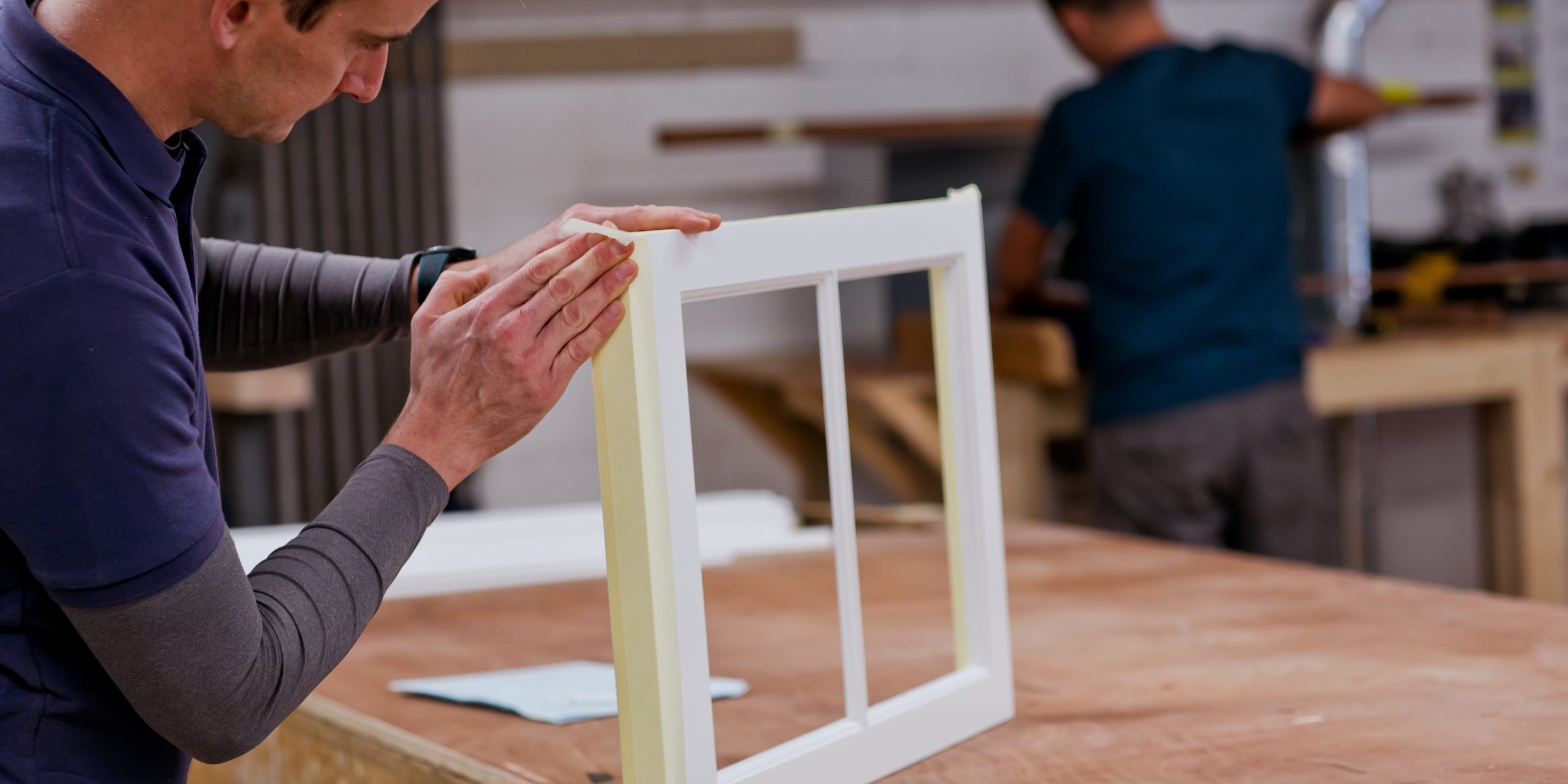
Pro tip: Keep the original glazing intact by working around putty lines. If glass must be removed, mark panes with masking tape “X” to avoid shattering and consider upgrading to slimline double glazing while the sash is out.
4. Making Wooden Sash Windows Run Smoothly Again
Many homeowners remove a sash simply because it refuses to budge. Try these fixes before you re-install:
| Problem | Solution |
| Cords snap when sash is raised | Replace with pre-stretched, waxed cotton cord of the same diameter. Weigh each sash and match with the correct lead weight. |
| Sash drags or sticks | Plane 1-2 mm from binding edges; sand smooth. Apply spray-on furniture wax (not oil) to contact faces. |
| Paint build-up in channels | Scrape excess with a shave-hook; sand and prime bare wood. |
| Loose draught seals | Replace compressible brush pile or fit new routed weather-strips. |
A properly balanced and lightly waxed sash should open with fingertip pressure and stay exactly where you leave it, proof you’ve fixed the root cause rather than the symptom.
5. Prevention: Protecting Sash Windows So You Never Have to Remove Them Again
- Ventilation is vital. Condensation feeds rot; ensure trickle vents or night-latches are used to keep air moving.
- Regular repainting. Every 6–8 years in exposed locations; 10 years in sheltered spots. Always sand, prime and use high-quality exterior paint.
- Annual inspection. Check cill ends, bottom rails and glazing putty for cracks or soft spots. Catch issues early and you’ll rarely need a full sash removal.
- Professional servicing. To re-cord, adjust weights and renew seals in a single visit, using an expert sash windows company is often cheaper than a DIYer’s tool hire and weekend labour.
Need Help Bringing Your Sashes Back to Life?
Knowing how to remove old wood window sash from the frame and how to repair rotted wood window sash empowers you to tackle many common issues yourself, saving the cost and disruption of full replacement. That said, timber sash windows are part of your home’s structural fabric; if you’re at all unsure, call the experts.
We have been restoring and upgrading period windows across the capital for more than 10 years. From minor cord changes to full sash replacements in sustainably sourced hardwood, our team keeps London’s heritage homes warm, secure and looking their best.
Ready to give your windows a new lease of life? Contact our team to request a free survey and discover the most sympathetic, cost-effective path to smooth-running, rot-free sash windows for decades to come.
*This article replaces our previous post on common sash window problems. If you landed here from that page, welcome, everything you need is right above!