If you’ve noticed water beading on the glass each morning, a faint mist between panes, or damp patches around the timber, you’re not alone. Condensation on sash windows can be common in London homes, especially those with original timber frames, and it can lead to mould, flaking paint and, over time, damaged wood. This guide explains how to stop condensation on sash windows with simple daily habits, smart ventilation, and proven professional solutions.
Why condensation forms on sash windows
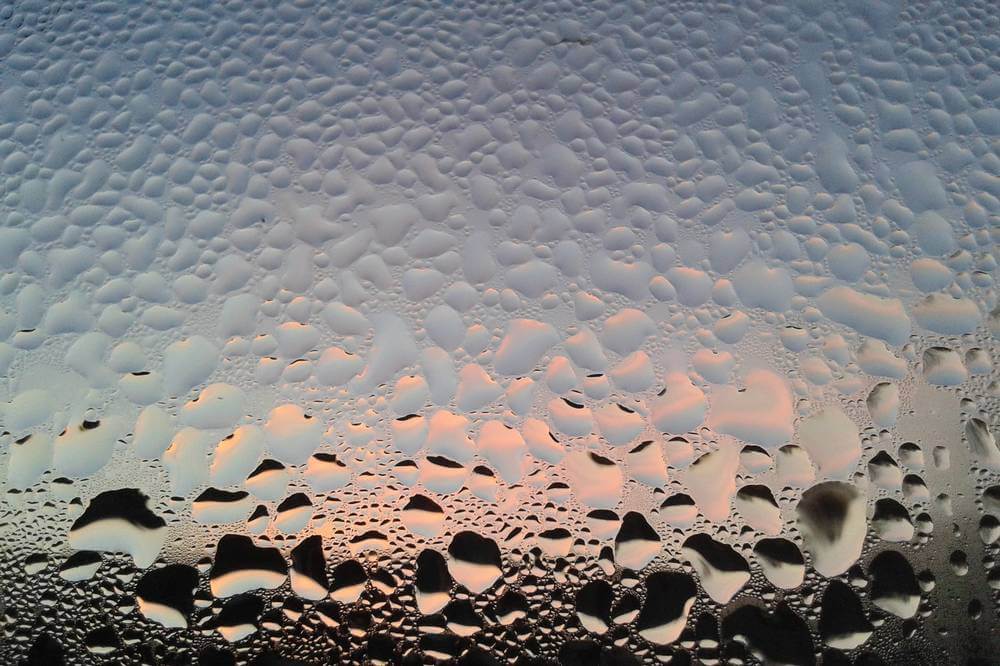
Condensation happens when warm, moisture-laden air meets a colder surface and releases water as droplets. Kitchens, bathrooms and busy family rooms naturally create humidity; in winter, heated indoor air collides with cooler glass and frames, and sash window condensation appears.
Traditional timber sash windows have their quirks. Older putty lines, worn paint, small draughts and single glazing can create “cold spots” where moisture settles. Trickle vents may be absent, and the natural flex of timber through the seasons can open tiny gaps that let in cold air. None of this means your windows are failing, only that they may need a blend of better habits and targeted upgrades to stop condensation on sash windows.
Everyday habits that help reduce condensation
Before reaching for tools, start with small changes that reduce indoor humidity and improve air flow. These are the quickest wins for how to stop condensation on sash windows:
- Use lids and extractors. Cooking and showering add litres of water to your home’s air. Keep lids on pans, run your extractor fan during and after use, and shut doors to contain steam.
- Dry clothes smartly. Avoid radiator drying. If you use an airer, crack a window and run a dehumidifier to lower the peaks of humidity that trigger sash window condensation.
- Ventilate little and often. Ten minutes of cross-ventilation, top-opening a bathroom window and slightly lifting the opposite sash elsewhere, replaces moist air without losing all your heat.
- Maintain a steady background temperature. Big swings (off all day, high heat at night) encourages moisture to settle. A consistent baseline helps stop condensation on sash windows.
- Move furniture away from walls and windows. Give air room to circulate so moisture doesn’t get trapped behind curtains or shutters.
- Use moisture-absorbing plants and tubs. They won’t replace proper ventilation, but they can help take the edge off in problem rooms.

Simple ventilation techniques for sash windows
Used regularly, these techniques prevent moisture build-up on glass and frames and reduce the risk of black mould spores around putty lines. Sash windows offer built-in ventilation when you use them cleverly.
Top-and-bottom trickle
Drop the top sash slightly while raising the bottom sash the same amount. Warm, moist air escapes at the top as cooler, fresher air is drawn in below, natural, quiet, and effective for how to stop condensation on sash windows day-to-day.
Purge ventilation
After showers or cooking, open sashes a little wider for 5–10 minutes to flush humidity quickly.
Trickle vents
Discreet modern vents can be fitted to period windows, providing low-level background airflow that helps stop condensation on sash windows without noticeable draughts.
Professional weatherproofing and draught-sealing
If daily habits aren’t enough, your windows may be creating cold surfaces or micro-draughts that encourage sash window condensation.
Draught-proofing and sealing
Brush seals, balanced sashes and squared meeting rails cut out uncontrolled draughts while retaining gentle, planned airflow. Draught-proofing and sealing removes cold edges where condensation on sash windows tends to form.
Timber repairs and repainting
Resin splices, new beads and fresh paint protect the timber and sharpen thermal performance. A sound, smooth paint film sheds moisture and resists mould.
Slimline double glazing (retrofit)
Where suitable, replacing single panes with heritage-friendly slimline double glazing raises the internal surface temperature of the glass, making it far less likely to collect condensation. At Wandsworth Sash Windows, we don’t retrofit slimline double glazing ourselves, but if this is a potential option, then we would advise you as such during a free site consultation. In the first instance, we always want to give the best advice.
High-performance putties and seals
Modern glazing compounds and warm-edge spacers reduce cold bridging, another quiet win for how to stop condensation on sash windows.
Restoration vs replacement: when to make the call
Persistent condensation on sash windows can signal deeper issues. Restoration is usually the first, most cost-effective step, rebalancing sashes, renewing cords, sealing, and upgrading glazing where appropriate.
Consider replacement when:
- Frames are significantly decayed, distorted or water-stained throughout.
- Recurrent mould returns quickly after cleaning and ventilation improvements.
- You need higher overall performance (acoustic, thermal, or security) than restoration can realistically deliver.
Modern timber sash window replacements, built to match originals, can include slimline double glazing, concealed trickle vents and precision draught-proofing. In many homes, this provides the permanent answer to how to stop condensation on sash windows while keeping the building’s period charm.
DIY fixes vs professional solutions
As Wandsworth Sash Windows’ surveyor Sean puts it, even simple DIY fixes to reduce condensation will be a worthwhile use of your time. Left untreated, condensation can be the starting point to other more serious long-term concerns, such as timber decay or black mould. Not only do these things exacerbate the decline of your windows, but they will also be bad for your health.
Think of DIY as maintenance and moisture management, and professional work changes the window’s physics so condensation is less likely to form in the first place. You can tackle minor sash window condensation yourself, but match the method to the problem.
DIY options (low cost, good for mild condensation):
Regular cleaning with a mild mould spray. Prevents spores from taking hold on paint and sealants.
- Temporary moisture traps and portable dehumidifiers. Useful after laundry days or during cold snaps.
- Careful use of window film. Adds a still-air layer to single glazing in a pinch (best as a seasonal measure).
- Repainting small areas. A sound, breathable paint system helps timber manage moisture better.
Professional options (long-term results):
- Full draught-proofing and sash overhaul. Aligns, seals and balances your windows for smoother operation and warmer surfaces, an excellent route to stop condensation on sash windows for good.
- Retrofit slimline double glazing. Warmer internal glass means fewer cold surfaces and far less condensation. Wandsworth Sash Windows doesn’t retrofit slimline double glazing ourselves, but it is a potential option for homeowners.
- New sashes or complete replacement sash windows. The definitive solution when frames are failing or performance needs a step-change.
Spot the type of condensation, and fix the right thing
- On the room-facing glass: Many times, indoor air is too humid, or ventilation is insufficient. Improve habits, add trickle vents, and consider draught-proofing or slimline double glazing.
- Between panes of double glazing: The sealed unit has failed. The long-term fix is the replacement of the glass unit.
- Around the frame and putty line: Cold bridging and leakage points are at play. Professional sealing, timber repairs and repainting will help stop condensation on sash windows here.
Our approach to dealing with condensation problems
We start with a friendly inspection to identify the sash window condensation triggers in your home, room use, ventilation, glazing type, timber condition, and paint or putty performance. From there, we recommend the lightest-touch, most cost-effective steps first, then set out clear options for draught-proofing, restoration, and replacement if needed. There may also be other options which we do not carry out ourselves, but we can point you in the right direction. That way, you only invest where it makes a tangible difference, and you’ll finally stop condensation on sash windows without sacrificing the character you love.
Ready to enjoy clearer, drier sash windows? Whether you’re looking for quick advice, a tidy overhaul, or a full restoration, we’re here to help you stop condensation on sash windows, for good. Get in touch for a no-obligation assessment and a solution that respects your home, your budget and your style.
FAQs About Condensation on Sash Windows
Does a dehumidifier solve sash windows condensation problems?
It helps, especially in winter and after laundry, but it’s most effective alongside ventilation and good window maintenance.
Will draught-proofing make rooms stuffy?
No. The goal is to control airflow, cutting cold, uncontrolled draughts while retaining planned ventilation through trickle vents and brief purge airing.
Can I keep my period look and still fix condensation?
Yes. A restoration-first approach preserves original joinery wherever possible and offers slimline double glazing designed for heritage properties.
Why don’t you offer a service to retrofit slimline double glazing?
One word – cost. If we were to do this for a client, then the cost would be equal to or greater than the cost of replacing the sashes with new fully painted timber double-glazed replacements. We don’t feel it is right to charge equal or more for retrofitting when it is an inferior service to changing the sashes.
To prevent condensation, is it better to draught-proof the existing sashes or replace them?
Replacement is always better, but it comes down to cost, and everyone has different budgets and priorities. Even simple DIY draught proofing is beneficial for both your windows and your health, so we would recommend that as the bare minimum option.
Where can I buy materials to do regular DIY draught proofing to prevent condensation?
The regular national DIY shops like B&Q, Homebase or Screwfix all stock various simple materials that will help you to carry out your own fixes and will not be too costly.