
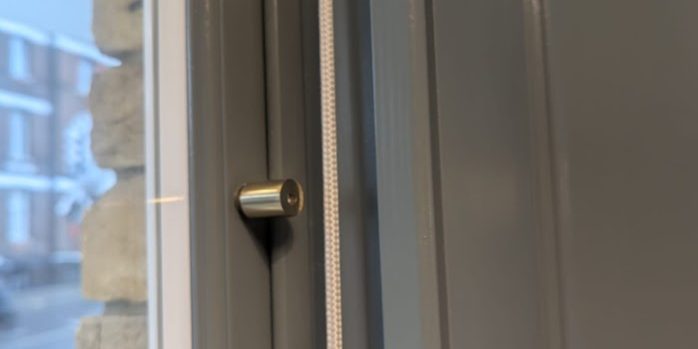
Traditional sash windows have a well-earned reputation for elegance, light, and airflow – but homeowners often ask the same two questions: are sash windows safe, and are sash windows secure? The reassuring answer is yes… when they’re correctly fitted, properly maintained, and paired with the right hardware and habits.
This isn’t about turning your home into a fortress. It’s about sensible, layered sash window security that still lets you enjoy fresh air, plus practical window child safety steps that protect little ones without making day-to-day living a hassle.
For many families, the biggest leap in peace of mind comes from combining opening restrictors with safety glass – keeping the classic sash look and ventilation, while reducing both fall risk and the chance of injuries if a pane breaks.
Are sash windows safe?
They can be – but “safe” depends on how far a sash can open, where keys are kept, and whether children can reach locks and catches. With a few small upgrades (especially restrictors), you can significantly reduce fall risk while still using your windows normally. It’s also worth thinking about the glass itself: standard panes can shatter into sharp shards after impact, temperature changes, or simple wear and tear – which is why safety glass is such a sensible upgrade in family homes.
Are sash windows secure?
They can be very secure, but older sash windows are sometimes targeted because of worn cords, loose frames, paint build-up, or outdated fittings that don’t pull the sashes together tightly. Strong sash window security comes down to two things:
- Condition (well-maintained timber and moving parts)
- Hardware (good fasteners + secondary security like stops/restrictors)
How to secure sash windows: check frames, locks, and cords regularly
Before buying new locks, take a close look at what you already have. Poorly maintained sash windows can invite intruders simply because they’re easier to force, lift, or rattle.
What to inspect (and why it matters)
- Sash cords: Frayed cords can fail suddenly, causing a sash to drop (a safety issue) and leaving the window awkward to close properly (a security issue).
- Frames and joints: Rot, softness, or open joints can weaken screw fixings and make locks less effective.
- Paint build-up: Heavy paint can stop sashes meeting cleanly at the rails, leaving tiny gaps that make windows easier to lever.
- Existing fasteners: If the latch wiggles, doesn’t align, or only “half catches”, it’s not doing its job.
- Glass and putty lines: Look for chips, cracks, loose putty, or rattling panes. Even small defects can become a bigger safety issue over time – and they also undermine security if a pane is easier to break.
A quick seasonal check (especially before winter) is one of the simplest ways to improve sash window security without changing the look of your windows.
Install child safety restrictors to limit openings and improve sash window security
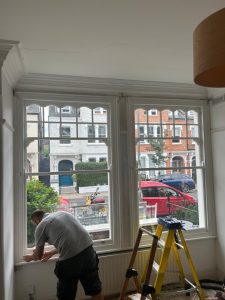
If you do one upgrade for window child safety, make it this. Sash window restrictors (often restrictor bolts) limit how far a sash can open. That means you can still ventilate the room, but a child can’t push the window wide enough to climb or fall through.
Many restrictors are key-operated and fitted out of a child’s reach, giving you control over when the window can open fully. For family homes, it’s often worth pairing restrictors with safety glass in vulnerable areas, so you’re reducing both fall risk and the chance of injuries if a pane is accidentally damaged.
A common approach is fitting restrictors around 100mm above the mid-rail, limiting the opening to roughly 100mm, which is widely used as a practical safety standard for preventing a small child from squeezing through.
Wandsworth Sash Windows Director, Matthew Smith, often recommends thinking about child safety as a layered setup: a lockable fastener at the meeting rail, plus key-operated restrictor bolts fitted about 100mm above the mid-rail as a reliable failsafe if the main lock isn’t engaged. For extra peace of mind, you can also fit a second set of restrictor bolts tight to the mid-rail below, so the window can’t be opened at all when needed – a popular “belt-and-braces” approach in nurseries, bedrooms, and any room where child safety is a particular concern.
Add dual screw stops to secure sash windows and prevent forcing
Dual screws (sometimes called dual sash screws or sash stops) are a straightforward security upgrade. They physically prevent the sashes from sliding past a chosen point – or stop movement altogether – making it much harder for an intruder to force the window open.
Many dual screw designs are key removable, which means:
- You control when the window can open fully
- They add a reliable layer of sash window security for ground-floor or easily accessible windows
This is one of the most practical answers to the question: “how to secure sash windows” without changing the appearance from the street.
Choose lock fasteners like Claw or Brighton to learn how to secure sash windows properly
Sash fasteners sit at the meeting rail and pull the top and bottom sashes together in the closed position. They’re not just decorative – the right fastener helps create a tighter closure and discourages levering.
Claw fasteners
Claw fasteners are a classic choice: simple to use, visually traditional, and available in locking variations depending on the product.
They’re often fitted centrally and provide a satisfying, secure “pull together” action that improves day-to-day sash window security.
Brighton fasteners
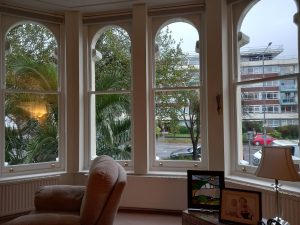
Brighton fasteners create a tight closure by using a threaded screw action, which can help draw the sashes firmly together.
They’re a good option if you want a traditional look with a very “cinched” feel when closed.
If your current fitting is worn, mismatched, or poorly aligned, upgrading to a quality fastener is one of the most visible (and satisfying) improvements you’ll feel every time you close the window – and it’s a meaningful step in how to secure sash windows.
Upgrade to double-hung designs for secure ventilation and window child safety away from reach
Ventilation is where sash windows really shine – and it can also support window child safety when used thoughtfully.
With a double-hung sash, you can:
- open the top sash slightly for airflow
- keep the bottom sash closed (reducing reach risk for small children)
That gives you ventilation without creating a low opening at child height. Combined with restrictors, it’s a smart, practical setup for family homes – especially in warmer months when windows tend to be left cracked open.
If your windows are older, sticking, or no longer performing as they should, it may be worth exploring a sympathetic upgrade or sash window replacement where you can specify modern security and safety features from the start.
Use safety glass and keep timber frames in great condition
Locks and restrictors matter – but so does the material around them. In family homes, one of the most helpful window upgrades is safety glass, because it reduces the risk of dangerous shards if a pane breaks – and it can make forced entry harder too.
Safety glass: laminated vs toughened (tempered)
- Laminated glass is made from multiple layers bonded together with an interlayer. If it breaks, that inner layer helps hold the fragments in place rather than letting them fall away as sharp pieces.
- Toughened (tempered) glass is heat-treated to increase strength. If it breaks, it tends to crumble into smaller, blunt pieces rather than jagged shards.
Both options are designed to reduce injury risk compared to standard glass, and the extra resilience can act as a practical deterrent for would-be intruders. In other words, safety glass helps on three fronts:
- Minimised injury risks: laminated glass holds together, while toughened glass breaks into small granular pieces, lowering the chance of serious cuts.
- Enhanced home security: it’s harder to breach quickly, which can discourage opportunistic intruders.
- Compliance with safety standards: safety glass is widely used to help meet modern expectations and requirements for residential window safety.
Professional fitting and simple maintenance
Safety glass only performs as intended when it’s installed correctly and checked occasionally. That’s why professional installation matters – not just for neatness, but for safety.
A qualified installer helps ensure:
- Precision and safety compliance: the glass is fitted securely and in line with recognised safety practices.
- Error minimisation: correct fitting reduces the risk of problems that can compromise performance.
- Guaranteed performance: properly installed safety glass is more likely to deliver the protection and durability you’re paying for.
To keep things working well long-term:
- Regular cleaning: routine cleaning (especially of the glass) helps prevent dirt and debris from building up and makes it easier to spot early signs of damage.
- Thorough inspections: check periodically for cracks or chips, and keep an eye out for rattling panes or failing putty lines.
- Prompt repairs: if anything looks off, sort it quickly – small faults are much easier (and cheaper) to put right sooner rather than later.
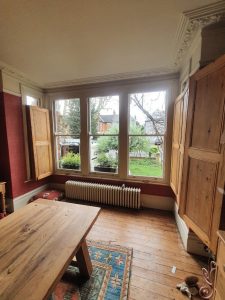
Timber maintenance is security maintenance
Even the best lock won’t perform well if:
- screws are biting into soft, damaged timber
- rails are misaligned due to swelling/rot
- the sash doesn’t meet cleanly in the frame
Keeping frames sound, dry, and well-finished protects not just the window, but the integrity of every security fitting attached to it.
Make your everyday habits part of your sash window security
Hardware is only half of home security. The other half is what you do routinely – especially in the evening and when you’re out.
Lock windows (properly – every time)
It sounds obvious, but many break-ins are “easy wins” where a window is left on a loose catch for ventilation. If you want airflow at night, use the restricted position rather than leaving a sash freely movable.
Draw curtains or blinds after dark
If someone can see valuables from the street, you’re making decisions easier for them. Closing curtains doesn’t just improve privacy – it removes temptation.
Keep valuables out of view
Try to avoid leaving laptops, keys, handbags, or car fobs on sills or in direct sight lines from the window. It’s a small change that supports overall sash window security.
A simple checklist: how to secure sash windows without overcomplicating it
If you want a quick plan you can actually follow, work in layers:
- Maintenance first: cords, frames, alignment, existing fasteners
- Primary locking: a quality Claw or Brighton-style fastener
- Secondary security: dual screws / sash stops
- Window child safety: key-operated restrictors (and consider a third “no opening” option in key rooms)
- Ventilation strategy: use top-sash ventilation where possible
- Daily habits: lock up, reduce visibility of valuables, close curtains after dark
Stay safe with Wandsworth Sash Windows
Secure, child-safe sash windows don’t rely on one clever gadget – they come from small, sensible layers: sound timber, well-aligned sashes, a solid fastener, the right secondary security to control openings, and (in family homes especially) safety glass that reduces injury risk if accidents happen.
If you’d like a professional opinion on the safest, most discreet options for your home (or want restrictors, locks, and safety glass fitted neatly as part of a service), get in touch with Wandsworth Sash Windows, and we’ll recommend the right setup for your property.