Sash Window Draught Proofing London | Costs & How It Works
Original sash windows are a beautiful feature of London period properties but also can be very draughty which increases your heating bills. Draught proofing sash windows is one of the simplest ways to make a period home feel warmer, quieter and more secure without losing the character that made you fall in love with it. With the right approach, you can reduce heat loss in winter, improve comfort year-round, and often lift your property’s energy rating – all while keeping your original timber sashes in place.
Keeping the original sashes in place and carrying out draught proofing is maintenance rather than alteration, so planning permission isn’t normally required, including in conservation areas. This means that if your property is in a conservation area for example in Wandsworth or Lambeth, then you will not need to apply for permission to do this work.
Your original sash windows will likely be draughty because when they were made and installed, draught proofing technology was not available. Sash windows are designed to slide up and down in the frame which requires gaps between the sashes and the box frame, this is the main area where draughts come through. With modern draught seals, this can be prevented to make your property more comfortable.
Why draught proofing sash windows is a cost-effective winter upgrade
Heat escapes rapidly through gaps around traditional box frames and moving sashes. Even small air leaks add up, forcing your boiler to work harder and driving up bills. Professionally installed sash window draught proofing targets the most common leakage points – between sash and frame, around staff and parting beads, and at the sash pockets – cutting uncontrolled ventilation while still allowing healthy background airflow.
By tightening these tolerances, you slow warm air loss, reduce cold spots and stop that familiar winter “chill” around windows. It’s a fraction of the cost of full replacement and delivers immediate, tangible comfort.
Sometimes, it’s possible to draught proof sash windows yourself as a DIY job. Other times, your windows might need more of an overhaul. The draught proofing process will all depend on the issues you are experiencing and the level of refurbishment needed – to help you get an idea, think about the following questions:
- Is there a significant gap between your window sash and the box frame, or between the frame and the glazing?
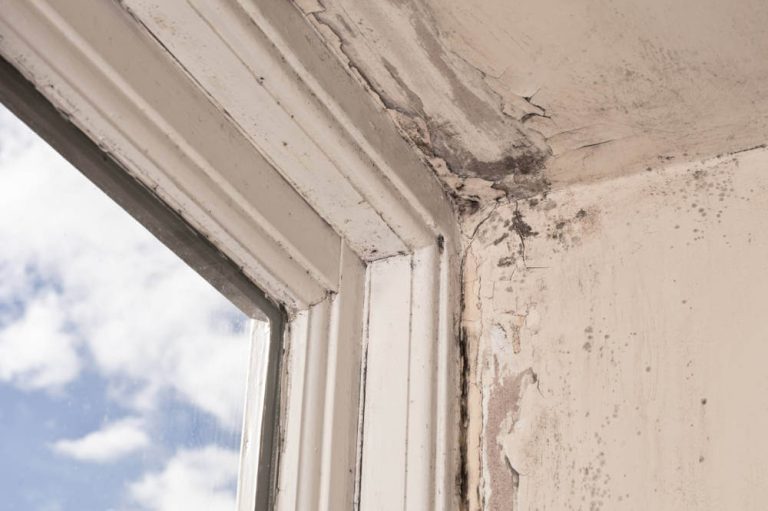
- Can you see obvious mould and/or rot on the inside or outside of your window sashes?
- Has the noise from outside become more noticeable?
- Are any of the panes of glass damaged?
- Does the temperature noticeably drop around your windows?
If you answered ‘yes’ to any of these questions, you would benefit from a sash window repair or refurbishment. You can find more details below on what this involves and how it can help you reduce draughts significantly.
If you answered ‘no’, consider the following questions:
- Are your window sashes less than ten years old?
- Have you only just started to feel a small draught?
- Are your windows generally in good condition, with no signs of mould or rotting timber?
If you answered yes in this section, it’s possible that you might be able to improve the draught on your own, or you may only need minor alterations from a professional to make your windows more thermally efficient. We will outline some of the ways you can improve thermal efficiency, allowing you to turn down the heating, save energy, save money on your bills – and save the planet too.
How to draught proof sash windows while preserving period character
Modern solutions are discreet. The goal is to seal paths for unwanted air without altering sightlines:
- Staff bead replacement with concealed brushpile
This is an internal trim that is used to keep the sashes in place. It is fitted around the box frame, so an older staff bead that is damaged or getting worn away could be letting in draughts. These can be replaced with purpose‑made staff beads that incorporate fine brush or pile seals. These compress as the sash moves, stopping draughts at the inner frame while keeping the operation smooth. - New parting beads with integral seals
The vertical strip separating the upper and lower sashes is removed and a new one is fitted into the box frame. If you are doing this work yourself, it may be more difficult for you to replace this section unaided. A new parting bead is fitted with one that includes an internal pile. This closes the long side gaps that are responsible for the majority of air leakage. - Top and bottom rail sealing
Discreet seals at the head and sill limit air paths when sashes are closed, helping to eliminate cold draughts and rattles. If you are carrying out this work yourself, it will be difficult to rout a groove into these sections to carry the draught seal, so a self-adhesive brushpile would be best. They won’t last as long, but are cheap and easy to replace. - Cord, pulley and pocket attention
During an overhaul, sash cords and pulleys are serviced, and weight pockets are made snug again so air doesn’t whistle through hidden cavities. - Fine‑tuning the fit
Minor timber repairs, easing and planing ensure each sash sits square and engages evenly with its seals – essential for long‑term performance.
These upgrades are designed to be reversible and sensitive to heritage fabric. Sightlines, glazing bars and horn details remain unchanged; you simply get a window that closes softly, seals properly and glides as it should.
How much does draught proofing sash windows cost?
Draught proofing of sash windows is often the lowest cost option for having work done to your sash windows. As a rough guide, for the work to be carried out by a professional, a price of around £400-£700 + VAT per window is a reasonable range. This would cover the standard service or draught proofing and overhauling, if any additional works were required such as reglazing broken panes, replacing rotten cills or decorating the windows, these would increase the cost.
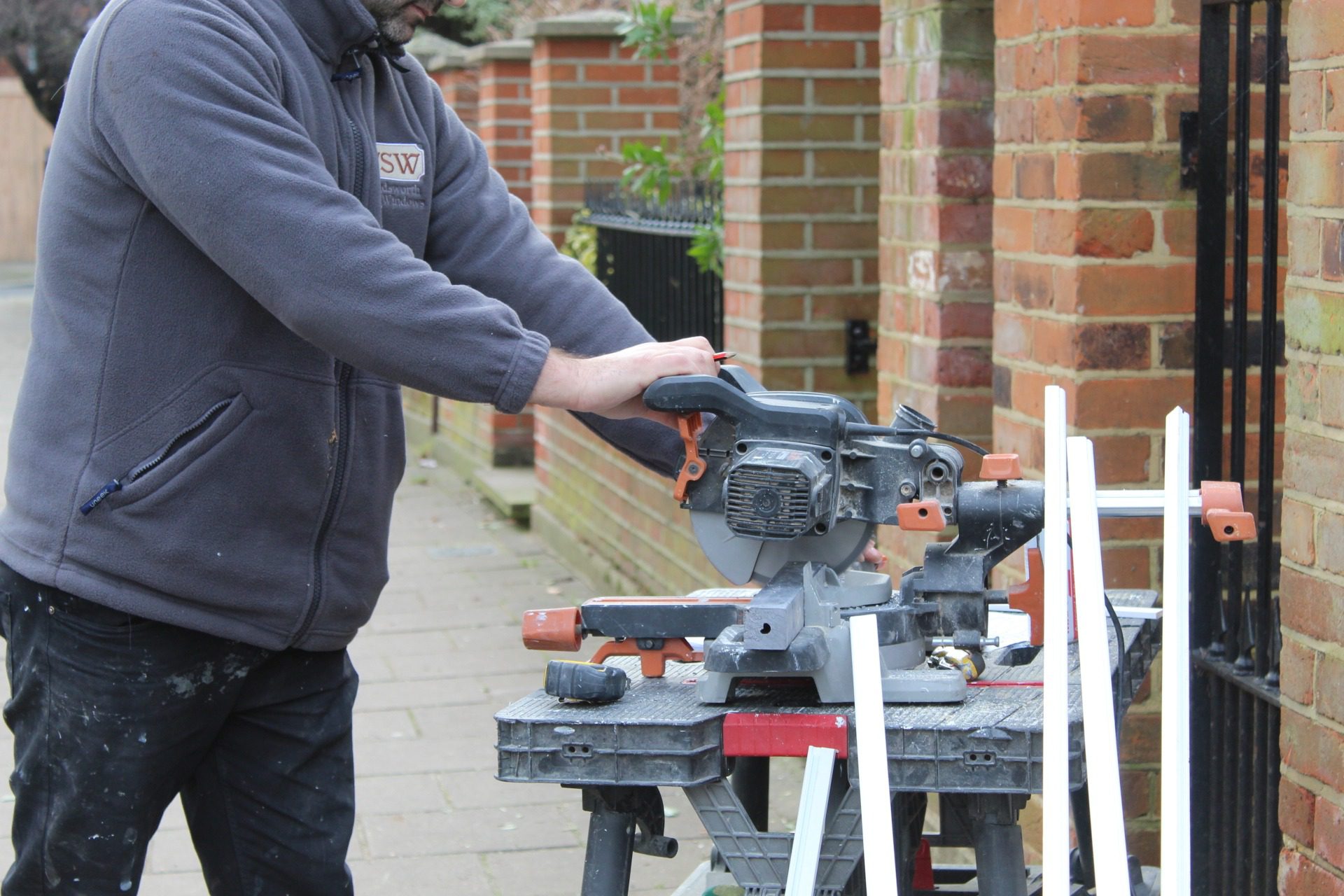
If you are considering doing the work yourself, you would likely be able to purchase the required materials for around £100 – £150. You should be aware that in order to carry out the works effectively, you will need a range of power tools including a chop saw, sliding bevel saw, electric planer and a drill, as well as hand tools such as chisels.
A real world example
We carried out a draught seal and overhaul service for Mr Wagner at his property on Margravine Gardens, Barons Court. Following installation, Mr Wagner put a review online to say:
Wandsworth Sash Windows did an excellent job of repairing some of my sash windows where the sash cords had either come off the sashes or broken, dropping the weight. They were efficient and tidy, taking the frame apart and replacing all the cords and beads. An added bonus were the brass fittings. Great to see these 150 year old sash windows repaired and upgraded.
Common causes of draughts in original timber sash windows
Addressing these systematically is at the heart of effective sash window draught proofing.
- Wear at sliding surfaces: Decades of movement polish timber smooth and open up micro‑gaps.
- Worn beads and failed putty: Old staff/parting beads and perished linseed putty allow air to track around the glass and frame.
- Shrinking or racked sashes: Seasonal movement or past repairs can leave sashes out of square, creating uneven gaps.
- Loose glazing and rattles: Thin single glazing can loosen in its rebate, admitting air and noise.
- Gaps at pockets and pulleys: Access covers and pulley cut‑outs often become leakage points.
DIY versus professional draught proofing: what’s realistic?
DIY options can be helpful as a stop‑gap: self‑adhesive foam strips, temporary films over the glass, or clip‑in secondary glazing can all reduce draughts for a season or two. They’re inexpensive and quick to apply, but they often peel, interfere with smooth sash movement or look unsightly up close.
By contrast, professional draught proofing sash windows uses bespoke timber beads, routed carriers and durable brushpile fitted with millimetre accuracy. A specialist will also square up the sashes, service the weights, and can address glazing or putty issues during the same visit. The result is neater, longer‑lasting and usually better value over several winters.
Our expert insight
“Draught proofing usually involves retaining the existing single‑glazed sashes whilst changing the beading and adding new seals. This is a useful measure to improve comfort in your home during the cold winter months. However, at most, DIY draught proofing sash windows should only be considered as a medium‑term measure. There are a few reasons for this:
- Any seals used are a friction point when the sashes are opened and closed, and so they are prone to coming loose,
- You will still have thin single‑glazed glass, which is not thermally efficient, and
- Older windows can be uneven or lop‑sided, meaning they no longer fit snugly.
It is important to remember those points when budgeting for draught‑proofing works to be carried out. Professional draught proofing done by specialists such as Wandsworth Sash Windows is worthwhile, but it would also be wise to consider DIY draught proofing methods, allowing you to save money and invest in replacements in the future.”
– Charlie, Sales Director, Wandsworth Sash Windows
The wider benefits: energy, noise and everyday comfort
- Lower heat loss: Sealing uncontrolled air exchange can dramatically cut the rate at which warm air escapes, so rooms heat faster and stay comfortable for longer.
- Fewer cold spots and less condensation: By eliminating chilly air paths around the frame, surfaces stay warmer, which can also help reduce condensation near the glass.
- Noise reduction: Tightened tolerances and brushpile help silence rattles and reduce the transmission of street noise – a welcome bonus in areas of London that are on busy roads or under the Heathrow flight path, such as Putney or Richmond.
- Smoother operation: A serviced sash with fresh cords and well‑set weights glides easily; good seals add a soft close and help prevent rattling in the wind.
- Security and privacy: Refreshed locks and snug fits discourage prising and limit line‑of‑sight gaps.
Sash window repairs – draught proofing a sash window that needs an overhaul
Sash windows are designed to be strong and robust, but inevitably their condition will deteriorate over time. The good news is that in most cases, you can opt for a sash window repair instead of replacing your windows altogether. Even in the worst-case scenario where windows are in very poor condition, we can often replace just the sash instead of fitting a new box frame as well.
We offer sash window repairs and overhauls on an individual basis, carrying out the work that is needed to upgrade and draught proof your particular windows. We have a team of skilled carpenters who will repair broken sashes and fix any other issues with your windows to make sure they are thermally efficient. We will carry out a full consultation to work out where your windows might not be performing as well as they should, so that we can complete the work to the highest standard.
When we carry out repairs or fit replacement sash windows, we will ensure we use the most advanced, thermally efficient materials that come complete with built-in draught proofing.
Will draught proofing really make much difference?
Yes, draught proofing sash windows can make an enormous difference to the energy efficiency of your property and, therefore, your general standard of living. If your windows fit badly or are damaged, the air will be changed up to four times an hour – this means you will be heating up air that is then immediately lost. By improving your sash window condition and completing draught-proofing, you can save money on your energy bills and have a more comfortable property.
Why combining double glazing and draught proofing delivers the best results
Draught proofing addresses air leakage; double glazing addresses heat transfer. Together, they maximise thermal performance. If your budget allows, pairing draught proofing sash windows with either traditional double‑glazed sashes or slim‑profile glazing upgrades will:
- Improve U‑values compared with single glazing, cutting conductive heat loss through the panes.
- Reduce condensation risk by keeping the inner pane warmer.
- Enhance acoustic comfort further.
- Future‑proof your windows against rising energy costs.
In heritage home contexts, slimline double glazing or vacuum‑insulated glass can be designed to respect fine glazing bars and sightlines. Homeowners can choose a staged approach: draught proof now for immediate comfort, then replace sashes with double‑glazed equivalents later – keeping the original box frame throughout.
Make a plan to draught proof your sash windows
Draught proofing sash windows is a smart way to reclaim comfort and reduce heat loss through winter, without sacrificing period detail. It’s cost‑effective now and even more powerful when combined with double‑glazed sashes later. If you’d like tailored advice, a condition survey or a quote for sash window draught proofing, we’re here to help.
Talk to Wandsworth Sash Windows by calling 0207 924 7303 for expert refurbishment, considered upgrades, and beautifully made replacements that honour the heritage of your home.
FAQs
- Are wooden sash windows draughty?
Sash windows are designed to slide up and down freely, and that means that there need to be gaps between the sash and the frame. When original sash windows were installed, there was no draught proofing technology so it was simply accepted that there would be gaps around the sashes which let heat out, and cold in.
Timber is a natural material which shrinks and expands with the temperature, and this can exacerbate the gaps around the sashes. Also, with use over 100 or more years the sashes sliding up and down in the box frame wears down the timber on both sides, increasing the size of these gaps.
So original sash windows will be draughty, but that can be resolved with modern draught proofing technology.
- How to stop sash windows rattling
The gaps around sash windows that allow draughts can also cause your sash windows to rattle. Whether it be heavy winds causing a rattle at night, or the sashes being noisy as you open them, this is generally caused by the sash bumping around in the box frame, with the two hard timber surfaces knocking against one another. Fitting draught excluders will reduce this, because there will be a softer surface between the sashes and the box frame.
- How to insulate old sash windows
If you want to improve the insulation of your sash windows, but you aren’t looking to have them replaced with new, double-glazed versions, then the best option is to have your windows draught sealed. Using brushpile draught seals fitted around the sash at the staff bead and parting bead will reduce air penetration. It should be noted that a lot of heat loss in older properties is through the glass of windows, so fitting draught excluders won’t solve all problems.
- Best draught excluder for sash windows
There are two main types of draught excluders available for windows, either a compression seal or a brushpile. Compression seals are designed to have something close against them, for example a door closing into the frame. This means that they aren’t best suited for sash windows. The best draught excluder to retrofit on sash windows is a brushpile draught excluder, they are designed for low friction which is ideal for sash windows, and they have a central plastic fin with brushes either side meaning that, when they are installed correctly, it allows the brushes to sit either side of a sash stile.
- How to seal sash windows
To seal a sash window most effectively, brushpile draught excluders need to be fitted around the window. The best and easiest way to do this is to replace the staff and parting beads for new versions that have a groove pre-machined into it, which allows a brushpile to be slid into it.