[vc_row][vc_column][vc_column_text css=””]It’s a fair question: do you need planning permission for a bay window? It comes up a lot, especially when you’re looking at a change that sits right on the front of your home. Whether you need planning permission for a bay window depends on what you’re actually doing: replacing an existing bay is usually a very different scenario from adding a brand-new bay that projects beyond the wall line.
Below, we break down when bay window planning permission is commonly required, why bays are often treated as “extensions”, and what to do if you want certainty before you commit.
Replacement bay vs adding a new bay
Replacing an existing bay window
If your property already has a bay window and you’re replacing it with something broadly like-for-like (similar size, similar projection, similar overall look), planning permission is less likely to be needed. That said, “like-for-like” is exactly where people can get caught out – small visible changes (profiles, glazing pattern, proportions) can matter, particularly on the front elevation.
Adding a new bay window (or enlarging one)
If you’re converting a flat window into a projecting bay, or extending an existing bay so it projects further, it’s commonly treated as an extension because you’re moving the external wall line forward. In practical terms, that’s why the answer to do bay windows need planning permission is often “yes” when it’s a new projection, especially at the front.
Why bays are treated as extensions
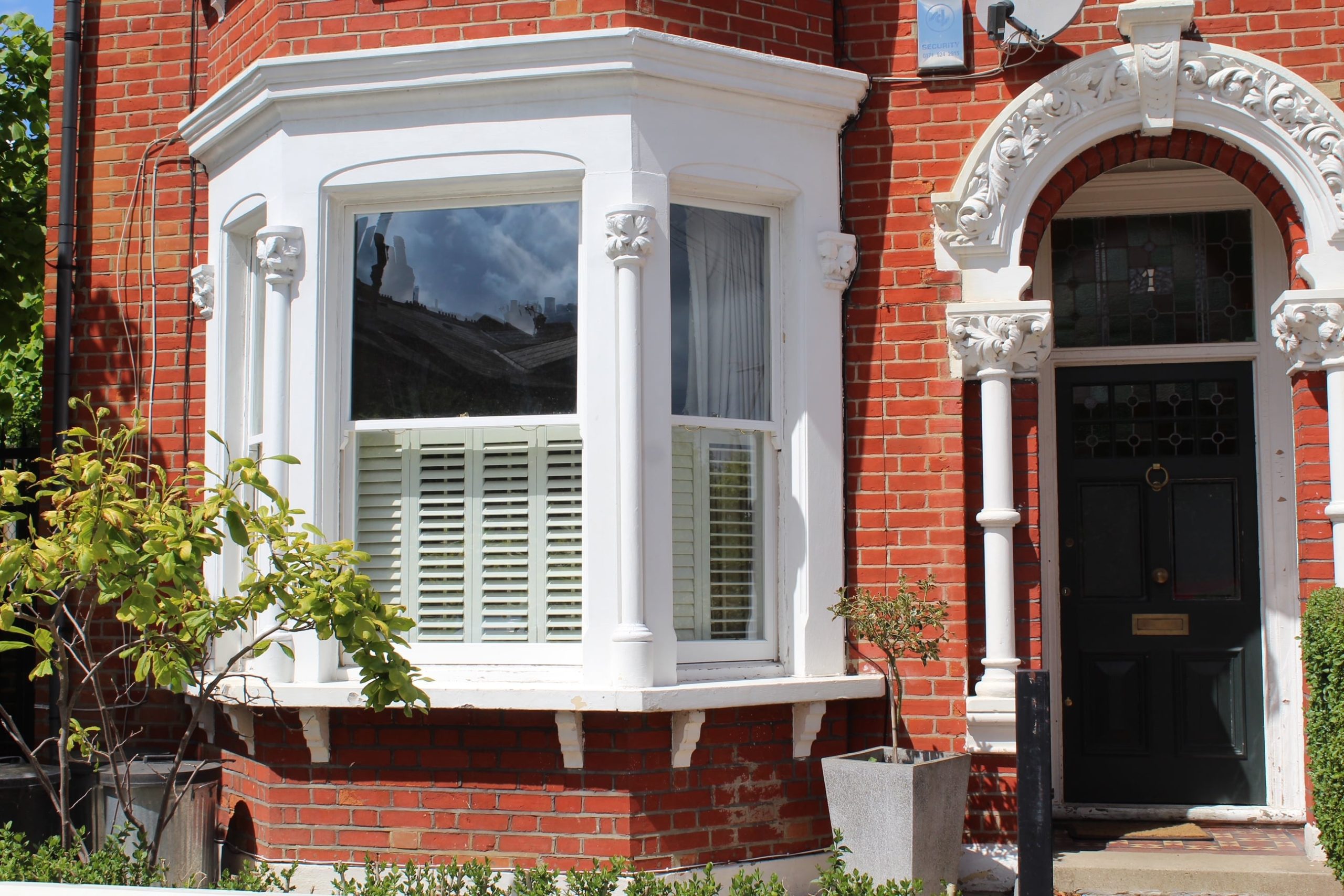
A bay window isn’t just “another window” – it’s a change to the building’s massing and footprint. New projecting bays are often treated as extensions because they protrude from the house, affecting the elevation and the street scene.
This is also why you’ll see different outcomes between:
- swapping frames within an existing bay (often more straightforward), and
- building a new bay that changes the shape of the façade (much more likely to need permission).
Front elevation sensitivity
Even where permitted development might apply to some household works, councils tend to be more cautious about what happens on the front of a property, particularly where it changes the character of a terrace or a consistent streetscape. Bay windows are highly visible, they cast shadows, they alter symmetry, and they can quickly make one house look “out of step” with the rest.
In simple terms: the more visible the change, the more likely the council is to want a say.
Conservation-area implications (without the rulebook)
If your home is in a Conservation Area (or subject to an Article 4 Direction), the bar is usually higher. A new bay can be viewed as an erosion of the original design intent of a street, even if similar features exist nearby.
We keep this page focused on bay windows, but if you need the wider context, read our dedicated guide to planning permission when replacing your windows in a conservation area.
Wandsworth Sash Windows’ Director Nathan explained:
When you’re considering a new bay, it’s worth thinking beyond “will it look nice?” and into “how will this read from the street, and how will the council view the change to the building line?” That’s usually where the planning risk sits.
First step in the process
Adding a new bay window often has implications beyond planning permission that are easy to overlook. New foundations, structural support, drainage alterations and proximity to services can all come into play once the wall line moves forward. In many cases, planning approval is only the first technical hurdle in the process.
“But my neighbour did it” is not a reason to grant planning permission
Existing bay windows nearby don’t automatically set a precedent for approval. Older bays may have been built before modern planning controls, and councils are often trying to prevent further erosion of a street’s original character. Councils often treat past erosion as a reason to protect what remains, not repeat the harm.
When planning refusal is more likely
Likely refusal
Refusal is more likely where a proposed bay would break a consistent building line, disrupt a uniform terrace, or introduce a feature with no historic precedent on the street. Properties on corner plots or with dual frontages are assessed more critically due to their visibility. In Conservation Areas or where Article 4 Directions apply, the margin for approval is significantly reduced.
Here are two examples of where planning for a new bay would likely be refused…
For example, in the Telegraph Hill conservation area in Lewisham, the council’s appraisal says the area’s “consistency of the building line” is one of its strongest defining features and that buildings follow a strict building line set back behind small front gardens.
It also calls Waller Road “the most uniform road in the area,” which means that a new bay that projects forward of the established frontage line is the sort of change that’s commonly treated as harming the streetscape and will be refused.
Also in Lewisham, the Brockley conservation area appraisal uses Wickham Road as a reference point for the area’s street character; it is noted for its long straight view, and it explicitly refers to the building line of Wickham Road as something new development should follow. Therefore, adding a bay here would likely be refused.
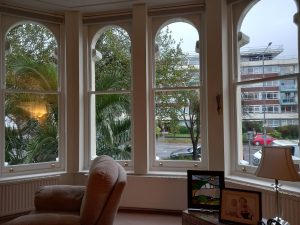
Planning permission is worthwhile in the long run
While going for planning permission might seem long-winded and costly initially, it protects the future value of your property. Achieving planning permission reduces the risk of conveyancing issues, surveyor objections or the need for indemnity insurance when selling. This certainty gained outweighs the time and cost involved in applying.
How we help (and what to do next)
If you want a clear answer to planning permissions for a bay window in the UK, the safest approach is to talk to us. We’ll confirm your constraints first (property type, frontage visibility, and whether the proposal changes the wall line). From there, you can decide whether a like-for-like replacement is appropriate or whether a full application is the sensible route.
If you’re already in the “we need certainty” camp, review our planning permission for windows services, or consider replacement sash windows as part of the project.[/vc_column_text][/vc_column][/vc_row]