New Window Finishing Trends for 2026: Sustainability and Whole-Life Thinking
As 2026 rolls in, the conversation around windows is getting smarter. Homeowners, architects and specifiers are weighing sustainability, longevity and lifetime maintenance alongside looks and price. A big driver behind this shift is protective finishing: modern, water-borne coating systems that safeguard timber, stretch maintenance cycles, and improve indoor air quality. In this article, we gather our insights as well as expert advice from our trusted partner Teknos Paint, so that you can make the best decision for your windows in the future.
Timber windows are back – for good reasons
After years of PVC-U dominance, timber is firmly back on the agenda thanks to its natural appeal, circularity and repairability. Sourced responsibly (FSC/PEFC), sustainable wooden windows offer long service lives and can be renewed rather than replaced – key advantages for sustainable window frames and sustainable window materials overall. Heritage research backs this up: over a 25-year period, repairing wood frames has a far smaller carbon footprint than replacing them with new uPVC, cutting embodied carbon dramatically.
Recent market data supports this resurgence. Palmer Market Research reported a double‑digit uplift in timber window volumes since 2014 to around 739,000 frames, even in a challenging wider market. Life‑cycle studies show that well‑maintained timber windows can last around 60 years, roughly twice as long as many PVC‑U alternatives. Historic England has also demonstrated that repairing timber frames over 25 years adds just 2–5 kg CO₂e, compared with ~38 kg CO₂e for replacing a PVC‑U unit over the same period. Over the lifespan of a typical home, those numbers translate into lower embodied carbon and less waste – clear wins for sustainability.
Government direction is pointing the same way. The UK Government’s Timber in Construction Roadmap (2025) sets out a strategy to increase the use of wood in buildings as part of national decarbonisation goals. For homeowners, that translates to windows that last, are easy to care for and keep their good looks over time.
Why timber remains the most sustainable window material
It’s renewable, repairable and long‑lived; it can be maintained in place rather than ripped out; and when partnered with the right coatings, it gives you standout performance with a lighter environmental footprint.
Finishes that change the whole-life value
Whole-life value now matters more than ever. Choosing the best finish for exterior wood windows or the best finish for interior wood windows isn’t just a cosmetic call; it sets your maintenance rhythm for the next decade.
Modern factory-applied, water-borne coating systems are micro-porous so timber can breathe. They are also low-VOC (volatile organic compound) and designed for extended maintenance intervals. That means fewer repainting cycles, less waste and happier lungs indoors. In value-driven specifications, opting for the best finish for exterior wood windows can materially reduce lifetime upkeep, improving the total cost of ownership over the window’s life.
Explore the latest sustainable timber window finishes
Water-borne, low-VOC systems from reputable suppliers are engineered for durability and environmental performance. The coatings form a flexible, protective film that resists cracking and flaking as the wood moves, helping the finish stay intact for longer and making future refreshes simpler. This is exactly the kind of sustainable windows approach clients are asking for: lower emissions during finishing, cleaner air indoors, and fewer interventions over time.
From Wandsworth Sash Windows’ perspective, that sustainability story sits alongside sensible upgrades such as efficient glazing and smart glass to reduce heat loss, which are measures that complement high-performance coatings for a whole-home improvement.
The best finish for exterior wood windows – proven on Accoya®
Exterior joinery takes the weather full-on, so specifiers increasingly pair modified timber like Accoya® with robust water-borne coating systems. Long-running exposure programmes and independent testing have shown excellent coating performance on Accoya windows and test rigs over many years, validating the extended maintenance periods that make these systems so attractive.
Why it matters: the longer your maintenance interval, the less product you consume and the less waste you generate – another tick for sustainable window materials.
The best finish for interior wood windows
Indoors, priorities widen to include touch, colour depth and air quality. Water-borne, low-odour finishes are the best finish for interior wood windows because they cure fast, hold colour well and keep VOCs down. For sashes and linings that you’ll see and touch daily, look for smooth, durable topcoats that resist scuffs from blinds and shutters while remaining easy to clean and refresh. Reputable suppliers offer matched interior/exterior systems so the look carries through while each surface gets what it needs.
The best finish for window sills
Sills take the knocks – plants, cups, keys, condensation. For the best finish for window sills and the best finish for wooden window sills, choose a hard-wearing, water-borne topcoat with good abrasion and moisture resistance. A light de-nib and re-coat years down the line should restore the finish without stripping back to bare wood, saving time, cost and materials. If you prefer paint, a satin or semi-gloss is often the best paint finish for window sills, as it sheds dust, wipes clean and hides everyday fingerprints better than high gloss.
Bay window exterior finishing: kerb appeal that lasts
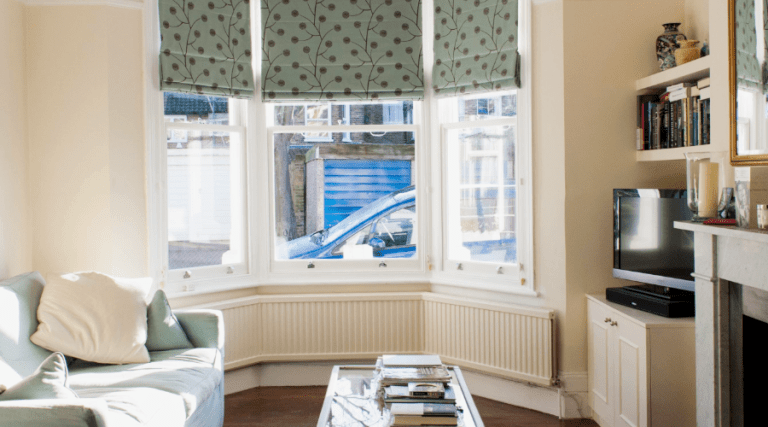
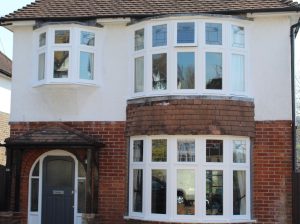
Bay windows are focal points; the wrong finish can let the whole elevation down. Factory-finished systems with UV-stable pigments and flexible binders help maintain colour and sheen on exposed facets while protecting joints and beads from movement and moisture. Pairing a proven coating system with careful detailing (drips, cills, end-grain sealing) gives you the tidy lines and crisp edges that lift kerb appeal and keep it there.
Looking ahead: sustainability, maintenance and design
In 2026 and beyond, three themes will shape window treatments. First is sustainability, with growing demand for natural materials supported by credible life‑cycle data.
Second is maintenance planned from the start, with care schedules that extend service life rather than prompting early replacement.
Third is design paired with durability, using coatings that safeguard performance while still giving homeowners and architects the freedom to achieve the look they want.

Sustainable wooden windows: the future-proof choice
Wandsworth Sash Windows’ own guidance underlines a simple point: sustainable upgrades like efficient glazing, smart glass where appropriate, and modern coatings, work together to improve comfort, cut heat loss and extend component life. Add ethical sourcing (FSC timber) and you have sustainable window frames that support your home’s performance and your values.
And because high-quality timber windows can be repaired in situ, you avoid the embodied carbon hit of full replacement. Studies consistently show that repair strategies carry a fraction of the CO₂e of uPVC replacements over comparable periods.
Quick guide: matching finish to purpose
- Exterior (best finish for exterior wood windows):
Factory-applied, water-borne, micro-porous coating system on stable timber (e.g., Accoya®) for long intervals between light maintenance. Expect strong UV resistance, flexible films and documented care schedules. - Interior (best finish for interior wood windows):
Low-odour, low-VOC water-borne topcoats with excellent colour retention and a smooth, tactile feel. Ideal for sashes, beads and liners that need to look good up close. - Sills (best finish for window sills / best finish for wooden window sills / best paint finish for window sills):
Tough, wipeable water-borne enamels or clears with abrasion and moisture resistance; satin or semi-gloss for cleanability without high-gloss glare. Plan on simple refresh coats rather than full strip-backs.
Practical sustainability at home
If you’re weighing up choices, start with what you can keep. Many period sashes respond brilliantly to careful refurbishment, upgraded glazing and a modern coating system. Wandsworth Sash Windows highlight add-ons like double glazing and selective use of smart glass to further improve comfort and efficiency – steps that dovetail neatly with today’s eco-friendly finishes.
For a deeper look at styles, detailing and options, take a look at our wooden sash windows page and see how these finishes translate into day-to-day living.
Ready to upgrade?
Whether you’re restoring original sashes or commissioning new sustainable windows, the right finish is where performance and aesthetics meet. We can help you choose a coating system that suits your home, your maintenance preferences and your sustainability goals – then apply it beautifully for results that last.
Talk to us at Wandsworth Sash Windows about specifying timber, coatings and glazing that work together for the long term. For expert paint advice, visit Teknos Paint.