[vc_row][vc_column][vc_column_text css=””]When you’re weighing up how to choose double glazed windows, it’s easy to get lost in jargon. The good news is that a few clear decisions about your property style, like energy goals and budget, will point you to the right solution. This practical guide explains the choices, deciding factors, and helps you pick windows that look beautiful, perform brilliantly and last for decades.
1) Start with your home and your goals
Every home is different, so begin by defining what matters most to you. Do you want warmer rooms in winter, a quieter interior, or a faithful restoration of period character? Is your budget focused on a few key elevations now, with the rest to follow, or do you want to complete a whole‑house upgrade in one go? Clarifying these aims at the outset makes it far easier to decide how to choose double glazed windows that fit both your priorities and the property.
Two upgrade routes: At Wandsworth Sash Windows, there are two main paths. We can replace the sashes only (keeping a sound box frame) or renew the entire window (box frame plus new sashes). At a free, no‑obligation visit, we’ll assess which option is viable. If a box frame isn’t in good enough condition, we’ll say so – it’s better to turn a job down than fit something we don’t believe will offer lasting value.
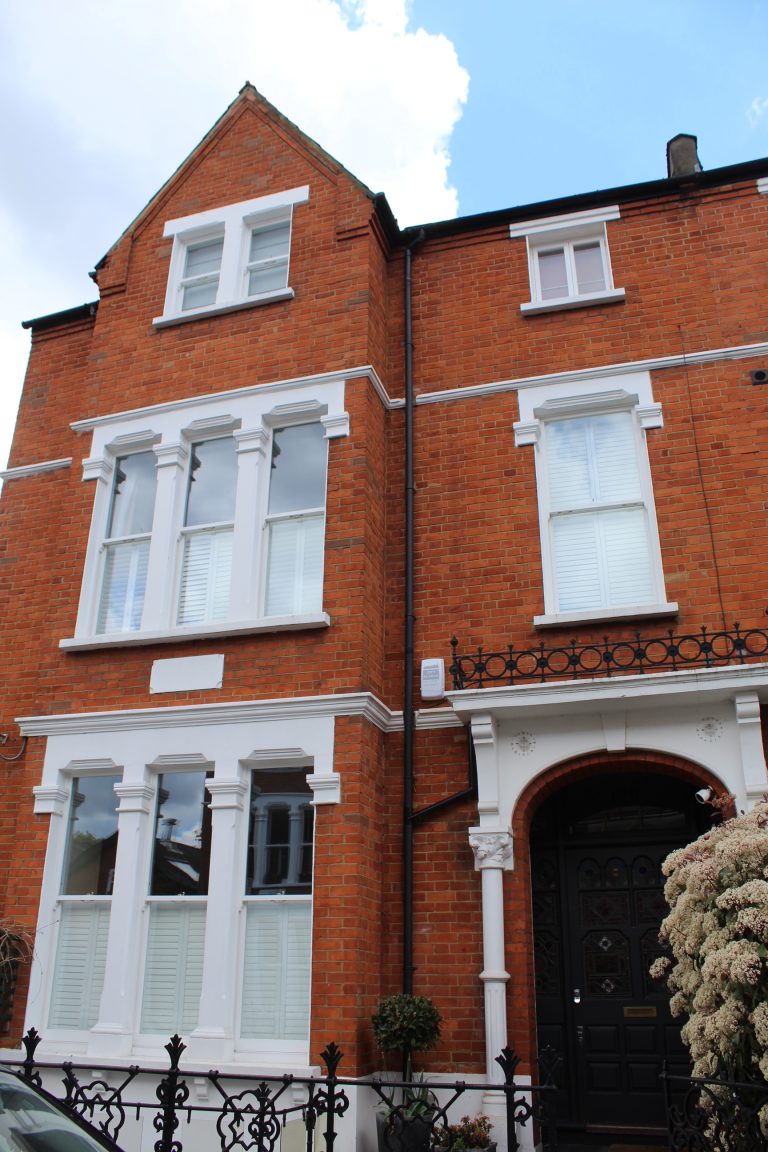
If you live in a conservation area or your home is listed, local rules often expect like‑for‑like materials and details. In practice, that means timber rather than modern plastics or metal, so the period streetscape remains intact. We can manage planning applications on your behalf to save the paperwork headache.
2) Choose a frame material that fits the house (and the street)
Timber is the natural partner for period homes. It offers authentic profiles, can be repainted over time, and delivers excellent thermal performance, especially in combination with modern, slimline double glazing. In streets of Victorian and Edwardian terraces, timber sash or casement replacements preserve the original rhythm and instantly lift kerb appeal.
uPVC appeals for low day‑one cost and minimal upkeep. The look has improved, but profiles are usually chunkier than traditional timber and wood‑grain foils rarely match the fine detail of real joinery. In many conservation settings, uPVC won’t be permitted.
Aluminium excels in contemporary projects thanks to strong, slim frames and durable finishes. With thermal breaks and quality glazing, performance can be excellent, but the style suits modern façades more than heritage ones.
Tip: If your heart says “timber” but you’re worried about upkeep, ask about factory spray finishes. Modern coatings last years longer between repaints and keep colour consistent across the house.
3) Pick glazing that solves your everyday problems
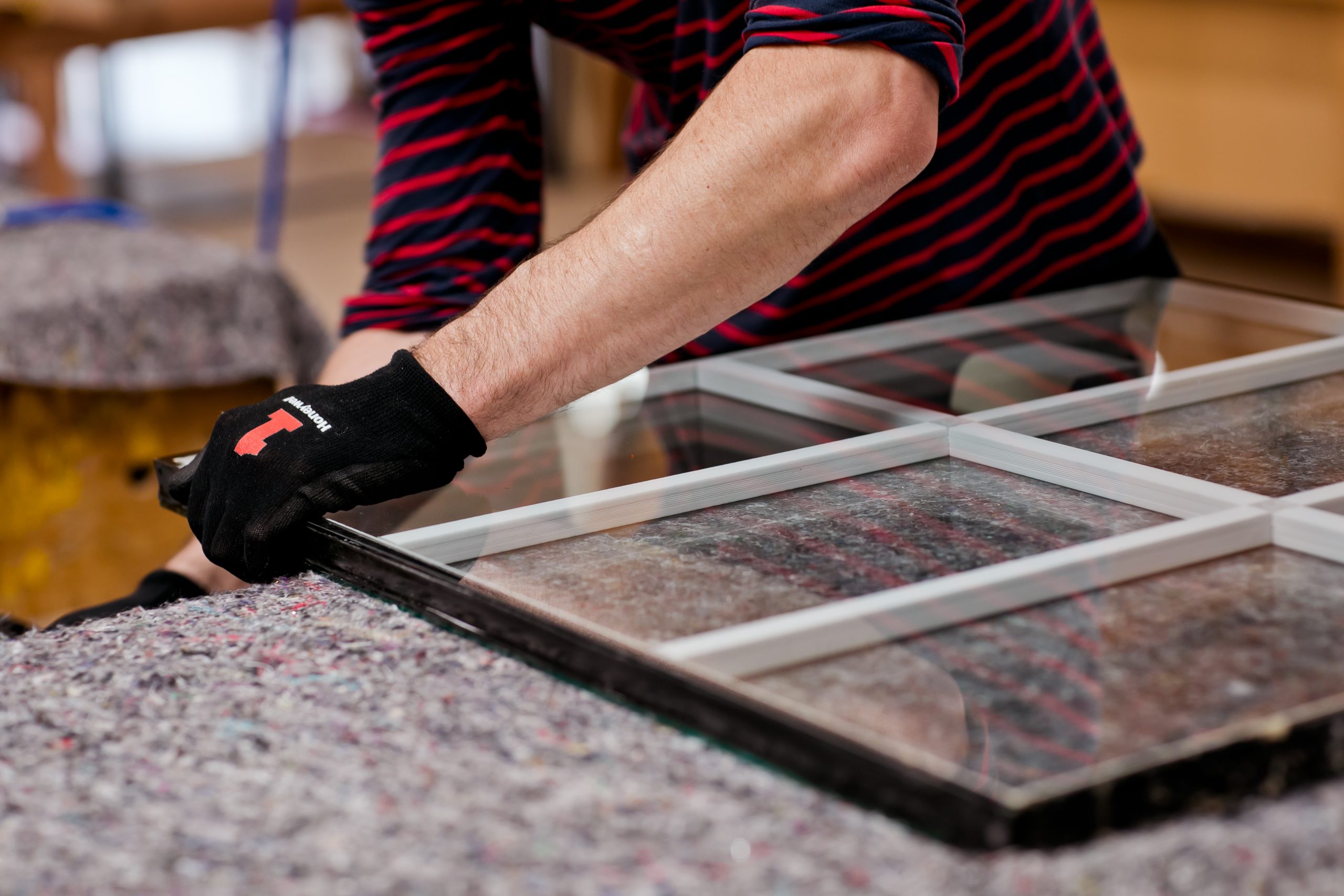
Double‑glazed units pair two panes of glass with a sealed gap between them. That gap acts like a thermal and sound barrier, especially when it’s argon‑filled and paired with low‑E (low emissivity) coatings. For homes on busy routes, acoustic or laminated glass can further reduce noise and add security. Where sunlight is fierce, solar control options help manage overheating while keeping daylight levels high.
If you own a period property, you won’t want chunky bars or altered sightlines. The answer is slimline heritage units designed to sit within traditional glazing bars, so the windows look right but perform to modern expectations.
4) Focus on installation quality, accreditations and aftercare
The best glass and frames need expert fitting to perform as promised. Always check for:
FENSA approval. A FENSA certificate shows your replacement windows comply with Building Regulations, are registered with the local council and come with an insured installer warranty. It’s also key when selling your home.
Clear warranties. Look for written guarantees on the joinery, the sealed glass units and the installation itself. Ask who you contact if anything needs attention and how servicing works in future years.
Local references. Viewing a recent, nearby installation tells you a lot about finish quality and how tidy a team is on site.
At Wandsworth Sash Windows, your quote sets out every inclusion, our written 10‑year guarantee and how aftercare works. Our joinery is made in UK workshops and fitted by our long‑standing team.
5) Sash or casement? Match the style to the architecture
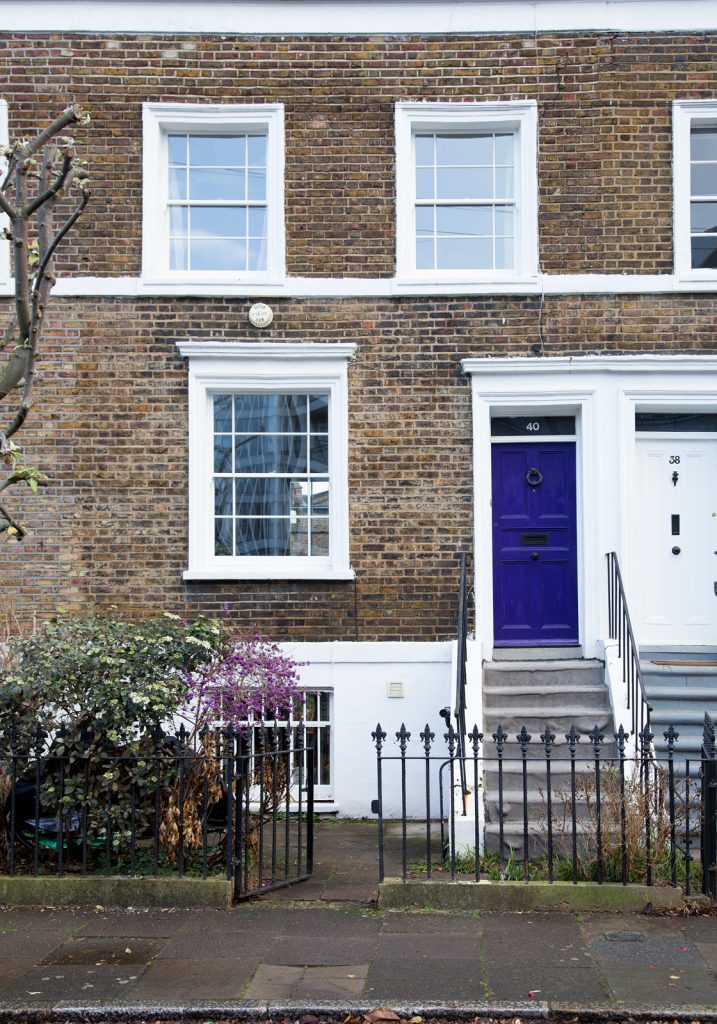
Sliding sash windows are the hallmark of Georgian, Victorian and Edwardian streets. Replacing like‑for‑like keeps the architecture honest and protects value. With modern balances, discreet brush seals and slim double glazing, they’re smooth to use, energy‑efficient and quiet.
Casement windows suit cottages, later period homes and modern extensions. Timber casements with quality draught‑proofing and double glazing close tightly and can deliver excellent thermal and acoustic comfort.
If you’re unsure which style your house originally had, we’ll help you read the brickwork, sills and neighbouring properties for clues, and advise accordingly.
6) Budget with the whole life in mind
Price matters, but so do lifespan and repairability. Well‑made timber windows can be maintained, repaired and repainted, often lasting many decades. Plastics can be cheaper to buy but are harder to repair discreetly and typically have a shorter service life. When you factor in resale value and kerb appeal, the long‑term case for timber is compelling for period homes.
If you’re working room by room, consider starting with the coldest or noisiest elevation to feel an immediate benefit. Whole‑house projects, meanwhile, may unlock economies of scale in manufacturing and fitting.
In summary: A simple plan for choosing with confidence
- Define your goals. Warmer? Quieter? Heritage‑true? All three are possible, rank them
- Confirm constraints. Check conservation/listed status and any leasehold rules
- Select materials. Timber for heritage authenticity; aluminium for modern minimalism; uPVC for low up‑front cost
- Specify glazing. Low‑E, argon‑filled units as standard; add acoustic or laminated where needed
- Choose a proven installer. Look for FENSA approval, clear warranties and local references
- Decide on scope. Sashes‑only (if boxes are sound) or full box replacement for a complete reset.
Next steps
If you’re mapping out how to choose double glazed windows for your home, we’d be delighted to help. Book a free, no‑obligation visit and we’ll assess your frames, talk through options and leave you with a clear, written quote.
Want to dig deeper into materials first? Read our latest comparison: Timber vs uPVC sash windows: which is right for your home?[/vc_column_text][/vc_column][/vc_row][vc_row][vc_column][vc_column_text css=””]
FAQs about Choosing the Right Double‑Glazed Windows
Here are some helpful questions and answers that should help you to come to a decision about which double glazed windows to choose for your home:
[/vc_column_text][/vc_column][/vc_row][vc_row][vc_column][vc_tta_accordion][vc_tta_section title=”How do I know if my box frames are sound enough to keep?” tab_id=”1757600592854-1fd2dbd7-5062″][vc_column_text css=””]We test for movement, decay and distortion during the survey. If the frames are in good order, a sashes‑only upgrade can save money and disruption. If not, a complete window replacement is the better long‑term fix.[/vc_column_text][/vc_tta_section][vc_tta_section title=”What makes one double‑glazed unit more efficient than another?” tab_id=”1757600592862-66965045-29a5″][vc_column_text css=””]Low‑E coatings reflect heat back into the room, argon‑filled cavities slow heat transfer, and warm‑edge spacers reduce condensation at the edges. Together, these features help your home feel warmer and cut energy use.[/vc_column_text][/vc_tta_section][vc_tta_section title=”Will slim heritage glazing change how my windows look?” tab_id=”1757600676770-f8d8190e-7960″][vc_column_text css=””]No, well‑specified slim units are designed to sit within traditional glazing bars so sightlines stay true to the originals.[/vc_column_text][/vc_tta_section][vc_tta_section title=”Do I really need a FENSA certificate?” tab_id=”1757600755443-baefd6e2-0064″][vc_column_text css=””]For replacement windows (not new builds), a FENSA certificate proves the installation complies with regulations, is registered with the council and that the installer’s warranty is insured. It’s routinely requested during conveyancing when you sell.[/vc_column_text][/vc_tta_section][vc_tta_section title=”Do you help with planning applications for double glazed windows?” tab_id=”1757600776315-967863a5-5a6f”][vc_column_text css=””]Yes we do. When planning is needed, we regularly handle conservation‑area applications. We’ll prepare drawings, photos and details to support approval.[/vc_column_text][/vc_tta_section][/vc_tta_accordion][/vc_column][/vc_row][vc_row][vc_column][vc_empty_space][/vc_column][/vc_row]