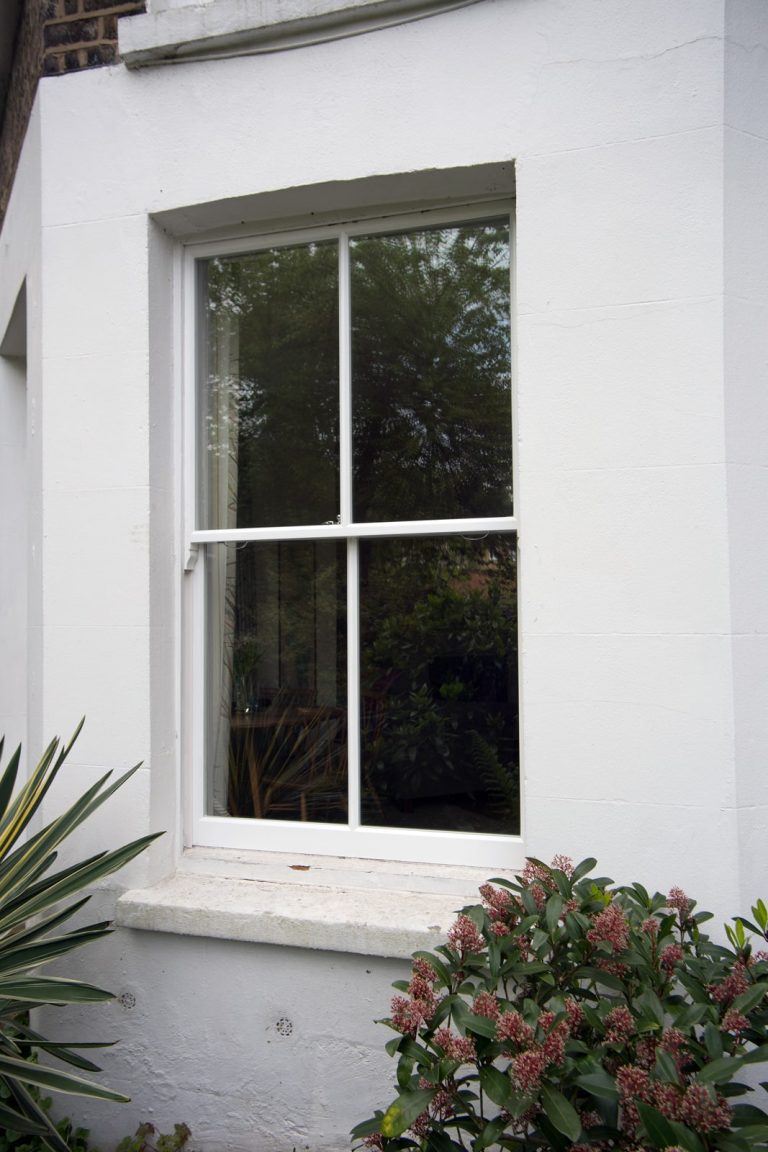
[vc_row][vc_column][vc_column_text css=””]Far from mere architectural embellishments, wooden sash windows form the very heartbeat of countless period homes throughout London and the South‑East. When they run smoothly and look their best, they lift a room, keep draughts at bay and safeguard the value of the property. Yet timber is a living material and, left unattended, will gradually succumb to moisture, sunlight and sharp temperature swings. Learning how to care for wood windows is therefore an investment that pays off in comfort, curb appeal and longevity.
The good news? Day‑to‑day maintenance is straightforward and mostly DIY friendly. This practical guide sets out everything you need to know, from gentle cleaning routines to clever weatherproofing tricks and expert tips on tackling extreme conditions.
Why regular care matters
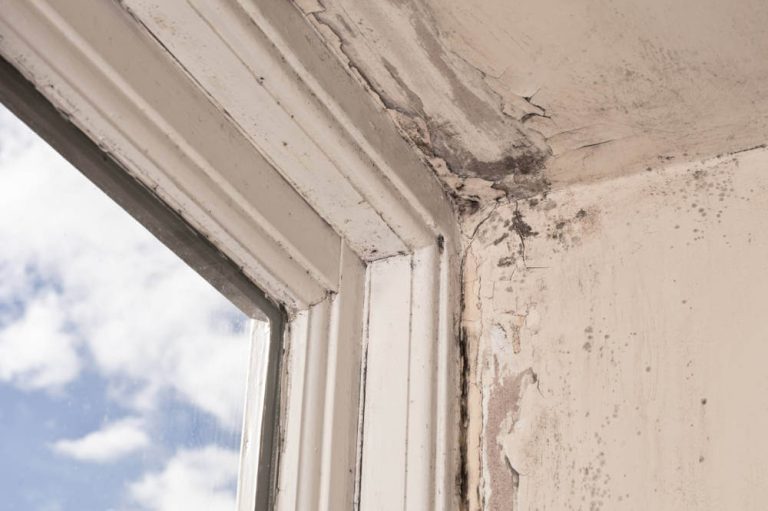
A well‑made sash window can last a century or more, but only if its protective paint film stays intact and the timber beneath remains dry. Neglect lets water creep into joints and glazing rebates, feeding rot and forcing costly repairs. Caring for wooden sash windows is the same as anything else you cherish and enjoy – you need to invest a little time and focus into it. A little attention each season can:
- Extend the service life of every component, from cords and pulleys to putty and paint.
- Keep heating bills down by reducing draughts and heat loss.
- Preserve the window’s authentic character, something modern replacements often struggle to replicate.
How to care for wood windows
Gentle, regular cleaning
Start with the simplest task: a soft cloth, lukewarm water and a drop of mild detergent. Work from top to bottom so dirty water doesn’t run over freshly cleaned areas. Pay special attention to the meeting rails and cill where airborne pollutants collect.
- Avoid abrasive pads or harsh chemicals that can scour paint.
- Rinse with clean water and dry thoroughly so moisture doesn’t stay trapped in joints.
- Give hardware a quick wipe too; a dab of furniture wax on sash channels helps the timber glide.
A light clean every few months keeps paint bright and highlights tiny cracks long before they become a problem.
Seasonal inspections – spotting trouble early
Twice a year, ideally at the end of winter and summer, run a fingertip and torch inspection around the frames:
- Look for peeling paint, hairline splits or grey, weathered patches. These signal the start of UV damage.
- Press gently on cill ends and lower rails. Softness suggests hidden decay.
- Check for swelling or tight spots. Timber that has absorbed moisture may jam, stressing glazing bars and locks.
Where defects are localised, sand back to sound wood, treat with a quality preservative primer and touch‑up with matching microporous paint. Quick interventions here cost pennies; delay can demand a full splice repair.
Repainting and resealing for resilience
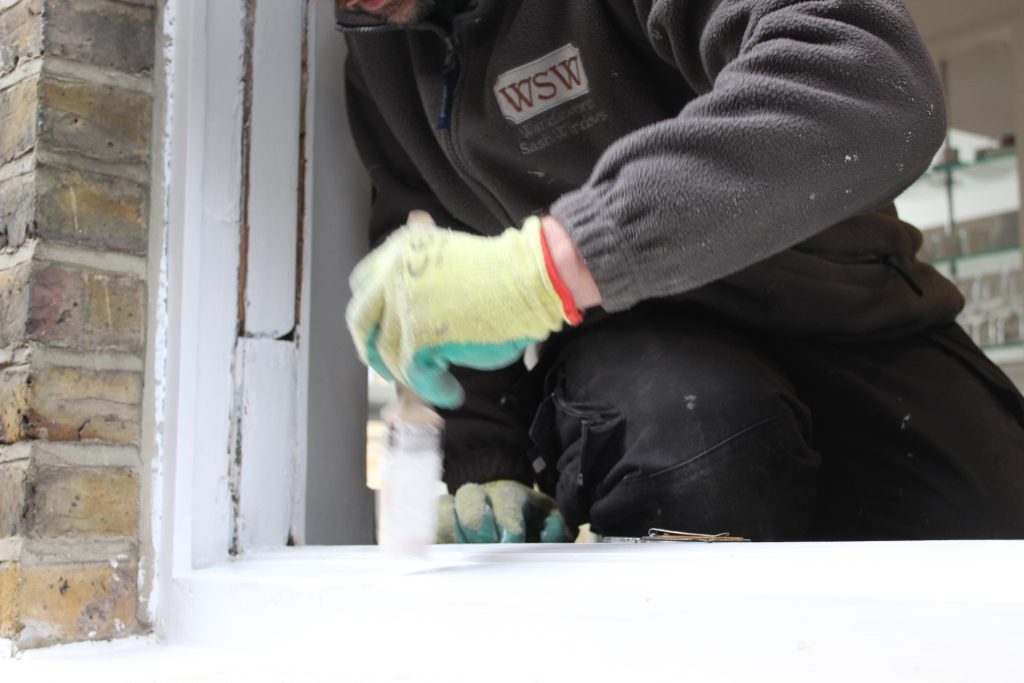
A complete repaint isn’t needed often, every six to eight years in exposed locations, perhaps a decade in sheltered streets, but timing is critical. Paint is your primary weather shield.
- Preparation is everything. Lightly sand glossy areas to provide a key; remove loose paint; dust off thoroughly.
- Choose breathable coatings. Modern acrylic or alkyd systems flex with the timber and allow trapped vapour to escape.
- Don’t forget end‑grain. The top of the meeting rail and the bottom of the cill are thirstier than flat faces and deserve an extra coat.
While the sashes are out, run a bead of high‑quality exterior sealant along the frame‑to‑masonry joint. It stops wind‑driven rain sneaking behind the box frame where rot loves to lurk.
Discreet weatherproofing upgrades
Elegant period windows and modern comfort can coexist. A few unobtrusive additions will tighten up performance without spoiling sightlines:
- Brush or foam draught seals fitted to staff and parting beads keep warm air in and dust out.
- Slimline brush strips let the sashes move freely yet close snugly, perfect for heritage settings.
- Trickle vents provide background airflow, reducing condensation during cold snaps.
These upgrades are nearly invisible once painted and can cut heat loss by up to 30 per cent, a worthwhile weekend project.
Caring for putty, glazing bars and surrounding masonry
Putty secures the glass and seals it against rain. Over time, it dries, cracks and may even fall away. Replace missing sections promptly:
- Ease out loose fragments and brush away dust.
- Press the new linseed oil putty firmly into the rebate.
- Allow it to skin over, then prime and paint.
Check glazing bars for sash cramps or open joints, particularly after a hot summer which can cause timber movement. Around the outside, make sure that pointing between the frame and brickwork is sound. Fresh lime mortar where gaps have appeared lets moisture escape while keeping driving rain at bay.
A clever moisture‑absorbing trick
Hidden pockets at the bottom corners of the frame collect condensation, especially in winter when warm indoor air meets cold glass. We recommend placing a small breathable sachet of dried rice or silica gel in each pocket. These natural desiccants quietly draw moisture away, reducing the risk of mould, unseen rot and early paint failure. Replace the sachets every spring for best results.
Battling extreme weather
Storms, heatwaves and sudden cold snaps are becoming more common. A proactive stance includes:
- Before a storm: Close and lock all sashes to reduce rattle; drop the top sash slightly so wind pressure isn’t forced solely on the bottom rail.
- During a heatwave: Use white blinds or interior shutters to reflect solar gain, and open opposing sashes to create through‑draughts without slamming.
- After heavy snow or frost: Brush off any build‑up on external cills so meltwater doesn’t sit against the wood.
When to call the experts
If the sash no longer moves, cords have snapped, or decay affects structural joints, professional help will save time and preserve originality. At Wandsworth Sash Windows, we specialise in:
- Traditional timber window repairs and splices using matching hardwood
- Draught‑proofing upgrades that respect heritage regulations
- Full repainting and glazing window services, including slimline double‑glazed units for improved efficiency
Our craftsmen love timber and treat every window as a piece of joinery art, because that’s exactly what it is.
Make your wood windows last
Learning how to care for wood windows isn’t arduous; it’s a rhythm. A gentle wash, a quick check, a timely coat of paint, and a discreet seal here or there keep London’s sash windows handsome and healthy for generations. Show them a little consideration today, and they’ll reward you with warmth, light and unmistakable character tomorrow.
For advice, supplies or a full restoration service, please reach out to us at Wandsworth Sash Windows. We’re always happy to chat about keeping these treasured pieces of our architectural heritage in peak condition, rain or shine.[/vc_column_text][/vc_column][/vc_row]