[vc_row][vc_column][vc_column_text css=””]Painting sash windows might look simple enough at first stroke, but anyone who’s struggled with a finicky old frame or tried to open a newly painted sash that won’t budge because it’s stuck together will confirm: it’s worth taking the time and effort to do it right.
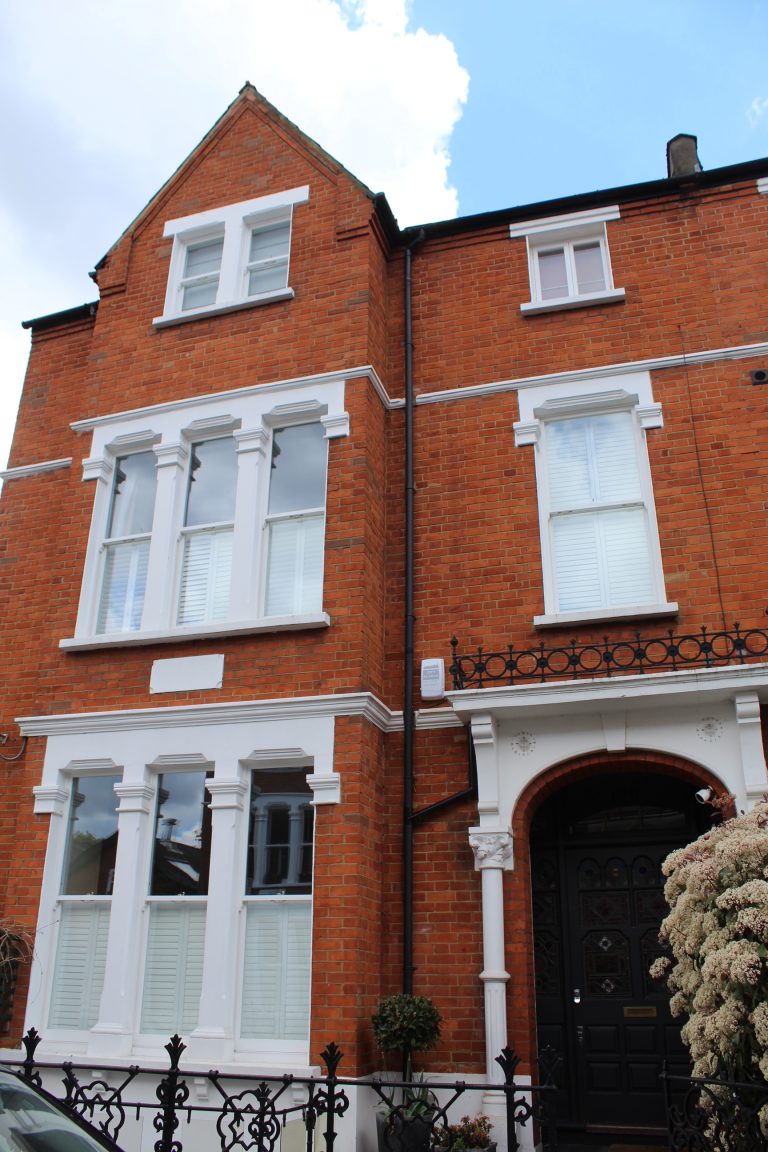
At Wandsworth Sash Windows, we have worked on hundreds of period homes across London and the South East, so we know a thing or two about how to paint sash windows without compromising their function or their charm. Whether you are sprucing up the interior or giving your exterior sashes a new lease of life, this guide is here to help you achieve a durable, professional-looking finish.
What Paint Do You Use on Sash Windows?
First off, let’s get the basics out of the way: what’s the best paint to use on sash windows?
In the UK, where the climate is cold, damp winters and warm, dry summers, you’ll want a flexible, breathable paint that can expand and contract without cracking. For interior and exterior work, we strongly recommend:
- Microporous water-based paint (for contemporary sash windows): These paints permit the timber to “breathe” while waterproofing and also protecting against rot.
- Heritage oil-based gloss (for period authenticity): Perfect for Victorian sash windows, providing a heritage gloss and very good durability, although slower to dry.
- Primer and undercoat: Don’t ever omit these. Exposed timber or already stripped frames need to be primed in order for paint to adhere properly.
Look for quality UK brands like Farrow & Ball, Little Greene, or Dulux Heritage for the traditional architecture-friendly results.
Preparation of Old Sash Windows for Painting
Painting old sashes is not just slapping on a fresh coat. It’s respecting the age and integrity of the timber, removing flaking layers, and handling with care to cover glass, cords, and ironmongery.
Step 1: Clean and Inspect
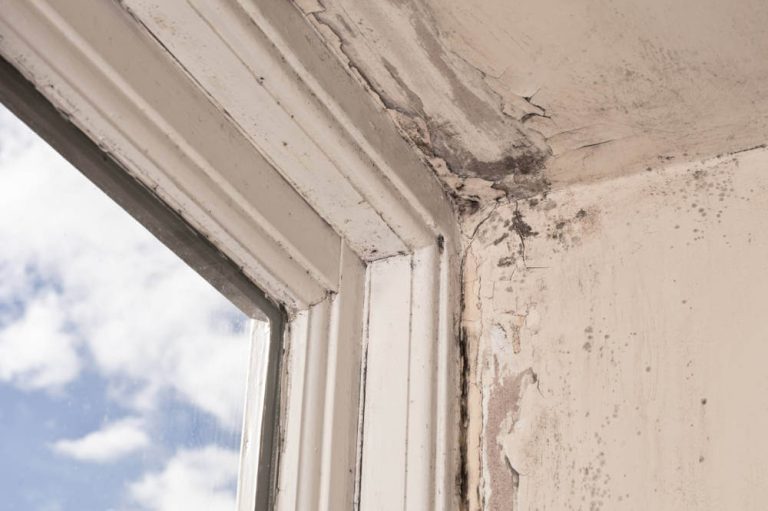
First, wash the frame down in warm, soapy water or sugar soap to remove cobwebs, dust, and grease. Check when it’s dry for signs of rot, peeling paint, or loose putty.
If there is extensive timber decay or shattered glazing bars, you will require a sash window professional or joiner to come in and fix or splice new timber sections ahead of painting.
Step 2: Sand and Strip Where Necessary
Use a medium-grit sandpaper to key the surface, removing any gloss or sheen from previous coats. In case the old paint is bubbled or extremely built up, use a scraper and heat gun to scrape it back.
Avoid ruining the beading or glazing putty. A detail sander or sanding block works great to get into the thin profiles of sash frames.
Step 3: Mask Up Like a Pro
Masking tape is your best bet there, especially on the inside side where you do want a sharp line between the frame and the surrounding wall.
Outside on the glass, use decorator’s tape to prevent globs, or if you’re feeling adventurous, the old “cutting in” technique with careful hand can be just as effective.
One of the most frequent errors? Painting the sashes when they’re closed, or even painting over part of the sash that slides inside the frame.
To prevent it:
- Paint with sashes slightly ajar. Lower the top sash a bit, and the bottom sash a bit, so you can work on both sliding parts.
- Paint in stages. Start with the glazing bars and work outwards. Paint the bottom sash first, outside and in, before painting the top sash.
- Do not paint the meeting rail or pulley stiles where the window slides. These need to be left unpainted to prevent sticking.
If you’re working on painting sash windows inside, a sash brush or an angled sash cutter can be used to reach awkward spots without touching the cords and weights.
Painting the Outside of Sash Windows for Long-Term Protection
External sash windows take a pounding from the elements. That’s why protection and preparation are so important.
- Apply a weather-rated undercoat and primer, especially if you’re painting bare wood.
- Use a minimum of two topcoats of exterior-quality paint.
- DO NOT paint during very hot weather- too hot and the paint sets too quickly, too cold and it won’t stick.
- And do not omit to paint all exposed surfaces, such as the window sill and bottom of the bottom sash, as these are particularly prone to water penetration.
How to Paint Interior Sash Windows Tidily
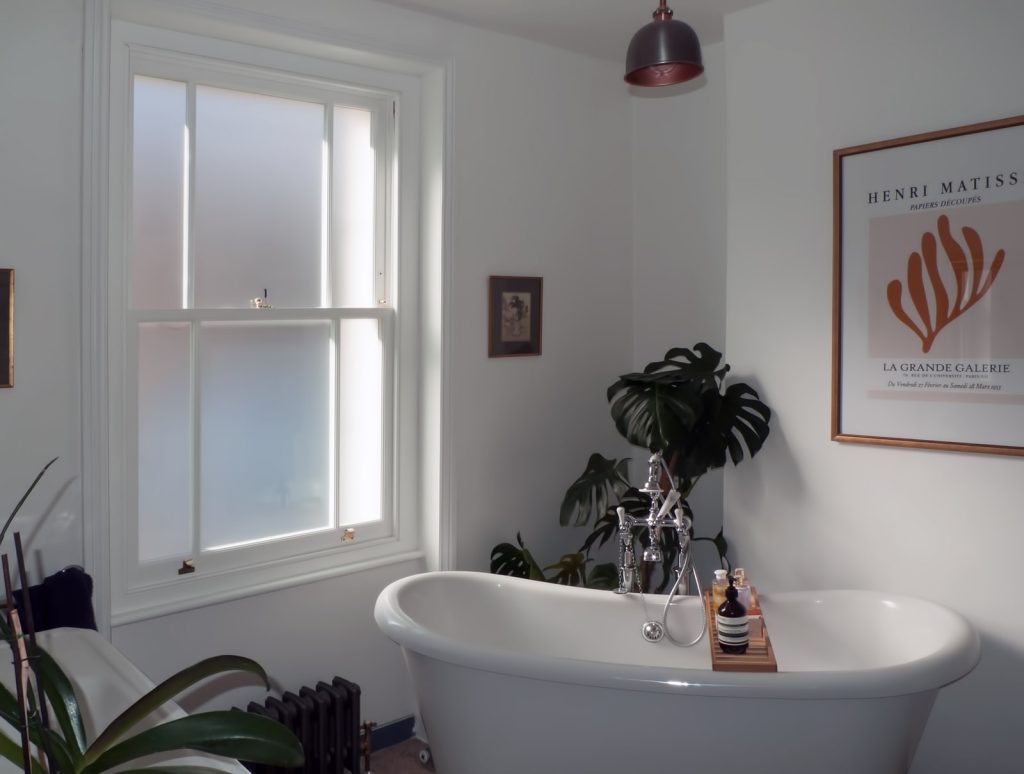
Interior sash painting is an excellent method for lightening up a room or matching a fresh décor plan. But tidiness counts big time here, particularly near carpets, curtains, and skirting.
Cover with dust sheets and move out any surrounding furniture.
- Utilise a 1″ or 1.5″ paint brush to manage paint flow down thin rails and profiles.
- Paint in daylight to prevent missing streaks or brush strokes.
Whether you’re picking up on painting sash windows interior for the first time or simply sprucing them up, it’s worth slowing down. One hasty coat will never be as good, or long-lasting, as two slow ones.
The Finishing Touch
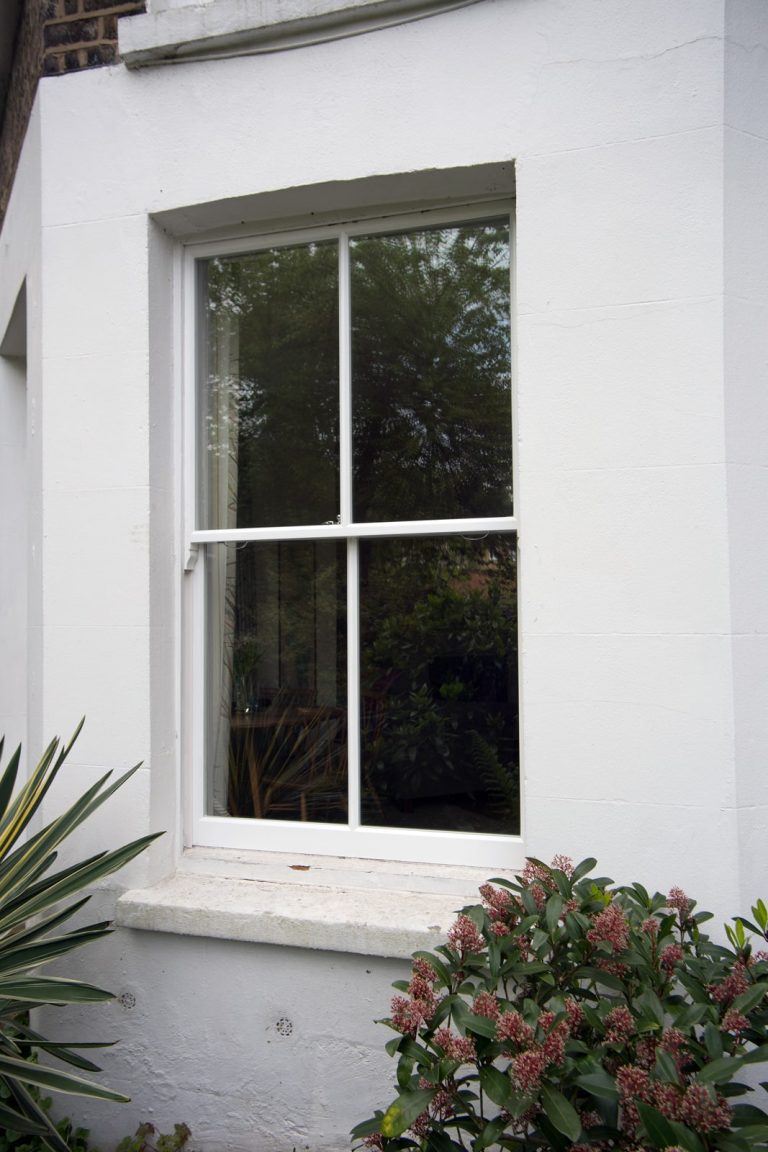
There is no greater satisfaction than a freshly painted sash window. Done properly, it not only makes your house look better, it also preserves and protects part of its heritage.
At Wandsworth Sash Windows, we understand how much such features mean to the homeowner. That is why we are always so keen to advise on the best paints, techniques, or when it might be time for a professional refresh. Whether you’re painting your original sashes or have upgraded to new timber framed sash windows, a beautiful finish is worth all that effort.
FAQs About Painting Sash Windows
Can you paint sash windows from inside?
Yes, in the vast majority of cases, you can reach all areas with the sashes raised and lowered. It is possible to paint from inside with tilt-and-slide or replacement contemporary-type windows, but in older windows, you may have to access from outside or use scaffolding.
How long does it take to paint a sash window?
This depends on preparation work, on drying times, and on coats you apply. For a high-quality finish, allow 2-3 days per window.
How much does it cost to paint a sash window?
Professionally painted sash windows £300–£500 per window, depending on condition and access. While it’s cheaper to DIY, it’s also much more time-consuming.
How do you unstuck painted sash windows?
Score along the joints where you suspect paint may have blocked the sash with a utility knife. Gently tap with a rubber mallet or hire a professional if that doesn’t sort the problem.
How to remove sash windows for painting?
You can remove the sashes by taking off the staff and parting beads, and releasing the cords. But this is best left to those familiar with the mechanism.[/vc_column_text][/vc_column][/vc_row]