Stained Glass
Handcrafted in Britain since 2012
Stained Glass for London Homes
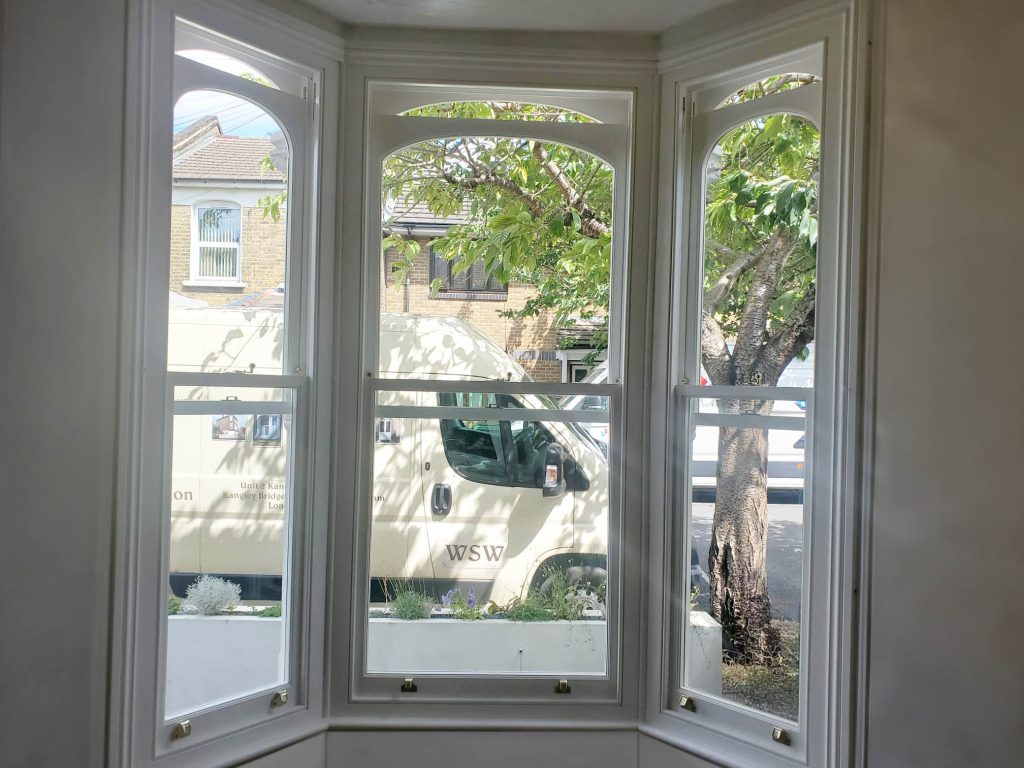
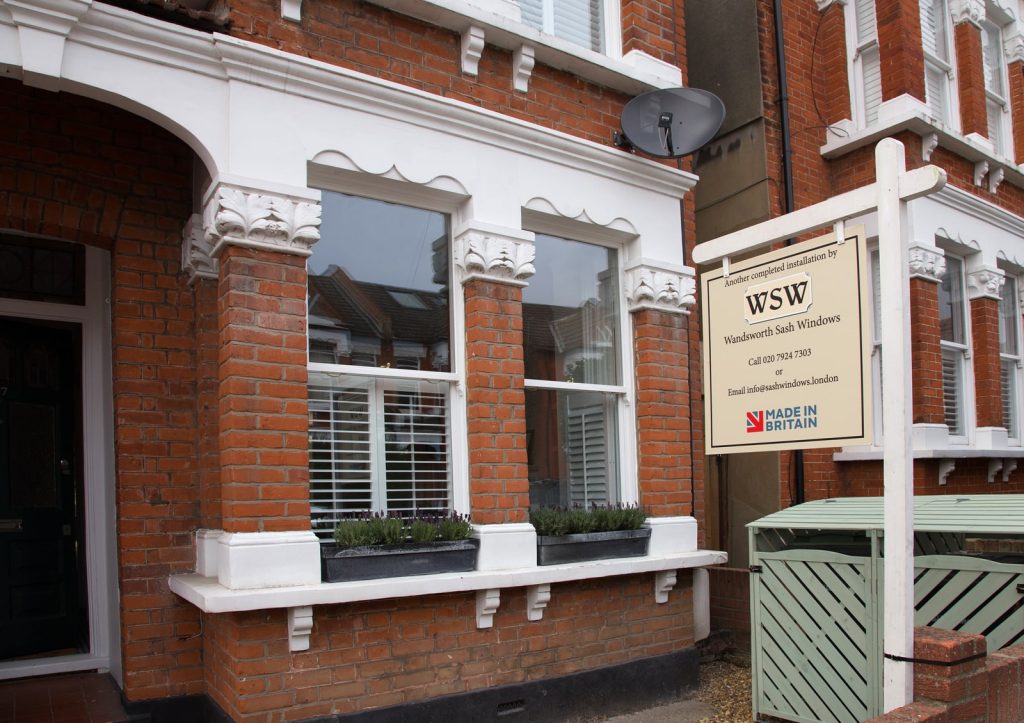
If your period property has — or once had — stained glass, replacing the windows or doors doesn’t mean losing it. We can reinstate an original feature, or design something new from scratch. Incorporating stained glass in your new joinery can ensure that a stunning period feature is retained or reinstate what would have once been present in your historic property.
When working on projects with stained glass, we always enlist the help of our friends at Cheam Leaded Lights. With over 30 years’ experience as stained glass specialists, we can always trust them to deliver exceptional results for your London property.
Making new, or reusing existing
The first consideration when embarking on a stained glass project is to decide whether you wish to have completely new stained glass made, or have existing stained glass retained, refurbished and re-used.
Brand new stained glass
When you decide to create new stained glass, you give yourself the creative freedom to design something from scratch, this could be replicating a neighbouring property, copying a style you have seen elsewhere in London, or starting from a blank slate. It can often cost less than reusing existing stained glass, as it bypasses any costly repair work. With this option, we can guarantee the final product will be as requested, which isn’t possible when re-using existing stained glass (this will be explained in more detail in the next sections).
Generally speaking, we prefer to install joinery with new stained glass because the product is always completely perfect and as the customer desires. However, we fully understand that retaining the original features of your property may be a priority to you, which leads us on to the next option.

Re-using existing stained glass
When done well, re-using existing stained glass can result in a fantastic finished product. It can also be very satisfying to know that you’ve retained an original feature of the property, which in London can help increase property values and desirability. However, there are a few pitfalls we need to be wary of when attempting to do this.
Firstly, there’s the condition of the existing glass. If it is in a particularly bad condition, the level of repair work can quickly and considerably increase the cost of this aspect of the works. Sometimes it may be completely past the point of repair, and new stained glass is the only option. Furthermore, the extent of necessary repairs will not be clear until the original glass is removed. Around the edge of the glass will be a lead strip holding all the separate pieces in place, this is known as perimeter lead. The perimeter lead is not visible (generally) when the glass is in place, but it is also the most likely part of the glass to break down. So whilst the glass may look in good condition, once it is taken out the extent of repairs may be far greater (and more costly) than first imagined.
Secondly, there’s the question of whether the original stained glass will fit into the new joinery. Our new joinery often varies slightly from the existing joinery. To the untrained eye our new windows and doors can be made to closely match the aesthetic of their predecessors. However, we must make small alterations to ensure double glazing can be housed, as well as ensuring the joinery is as long lasting as possible. This means that the openings for the glass changes, and the existing stained glass must be decreased or increased in size to fit. Whether this is actually possible depends on a few different variables, such as design and condition.
Due to the nature of the joinery manufacturing process, we cannot provide CLL with the final sizes until around 8 weeks after the final survey. All of this means that WSW and Cheam Leaded Lights will not be able to say with complete certainty that the existing stained glass can be reused until around the 8-week mark. We can, however, give you a very good indication of what’s possible much earlier on.
Frequently Asked Questions
One of the most important considerations in these designs is the longevity of the products. We understand that replacing your windows is a costly endeavour and our customers would not want to be replacing the same window every 10 years. We also take traditional designs & styles into account when manufacturing windows & doors, trying
to ensure replacement windows are as sympathetic to traditional styles as possible. Some parts of your new windows may not be the same as your original. This is because we need to combine all of these considerations to ensure we provide the highest quality window, which is exactly what we do.
All the sash windows and other windows and doors that we supply are fully compliant with Document L Building Regulations. New sash windows, casement windows or doors that fit into existing frames are not required to comply with regulations as such work does not affect the structure of a building. Listed buildings and conservation area properties may be exempt from regulations – your local planning authority will be able to advise you if you are unsure.
There are a few key factors when deciding whether to repair or replace your sash windows. Firstly, the condition of the existing frame and sashes is most important. If the timber is in a good condition and there is no rot, then draught proofing is a great option for you. However, if any of the timber has started to deteriorate, then it is often most economical to replace, whether that be just the sashes or the entire window. Another key factor to consider is how important insulation is to you.
Draught proofing a window will limit the cold air coming into your property, and overhauling it will ensure it moves more easily, however most heat loss is through the glass and with a repair, you will still be left with single glazing. If this is a big concern, then replacing sashes or the entire window for a double-glazed version would be best for you. Finally, cost is something to consider. A draught seal and overhaul costs around £400-£700 per window, replacement sashes cost £1,000-£1,600 per window, and a complete replacement costs £1,800-£2,500 per window, all excluding VAT.
We are members of and certified by FENSA, which allows us to self-certify our installations as compliant with building regulations.
As standard, our sash windows are fitted with a Hardwick hook lock and roller stops.