[vc_row][vc_column][vc_column_text css=””]Cleaning your sash timber windows is one of the easiest ways to protect their beauty and functionality for many years to come. Whether you’ve recently installed them or are caring for beautiful originals, learning how to clean wood sash windows properly is key to maintaining both curb appeal and long-term performance. A little bit of regular maintenance makes a big difference to the protection of the timber, prevents damage, and catches problems before they become costly repairs.
For the best results, we’ve put together this easy-to-use, step-by-step guide that guides you through the cleaning process to safe mould removal, with informative advice on how to clean old wood windows and prevent damage in future.
Why regular cleaning matters
If you’ve ever wondered how to clean wood window frames without causing damage, the trick lies in consistency and care. Over time, dust, dirt, and moisture build up in the corners and on the paintwork, gradually wearing away protective finishes. This can lead to timber decay and sash mechanisms that stick or rattle. Routine cleaning, particularly for older properties, helps preserve not only the beauty of the frames but also their smooth operation.
This is especially true when cleaning old wood window frames, where safe handling is paramount. Older wood may have softer paint, fragile putty, or more fragile joints. Regular window cleaning gives you the chance to spot small telltale signs of wear and tear before they escalate into a major issue, so you can take action earlier and keep your windows in their best condition.
The dangers of black mould on window frames
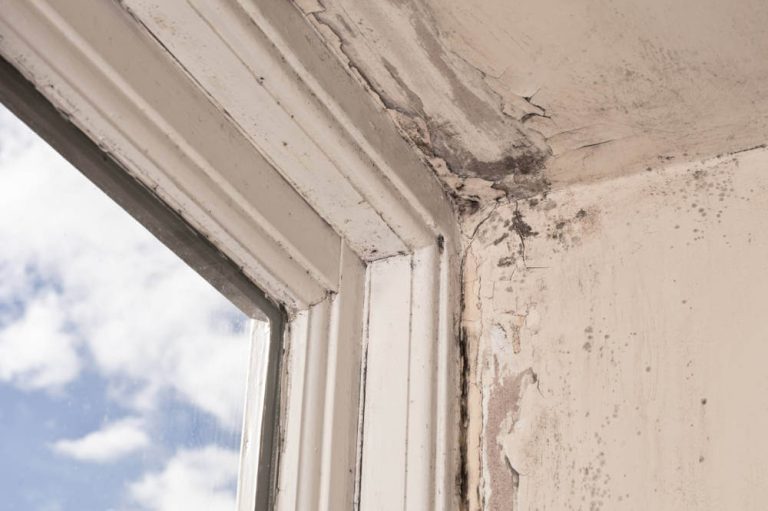
Neglecting your wood frames can result in more than a little dirt. Black mould loves wet environments, particularly on wood surfaces where condensation occurs. Knowing how to properly clean mould off wood window frames is important. Not only is mould unattractive, but it may be unhealthy too, particularly to those who have allergies or asthma.
Mould spores embed themselves in the paint and wood grain, feeding on the cellulose and weakening the structure. If left untreated, you’ll soon be looking at repairs or replacements. That’s why it’s important to know how to clean black mould off wood window frames as soon as it appears, and even more important to prevent it altogether with regular upkeep.
Safe cleaning practices for timber sash windows
Before diving into the process, take a moment to prepare. Knowing how to clean old wood windows safely means choosing the right products and techniques to avoid unnecessary wear or water damage.
What you’ll need:
- A soft brush or vacuum
- A gentle glass cleaner
- A few clean microfibre cloths or soft, damp sponges

How to clean wood sash windows
When cleaning your timber sash windows, your safety is paramount and should never be jeopardised. If you feel uneasy, it is important that you always call for the help of a professional, instead of attempting something yourself at risk of causing harm. Remember, stepping foot outside of your home will not be required to give your sashes a good clean, but you will need to take care if you’re reaching out to any external windowpanes.
Step one
Once gathering your equipment, you should assess your surroundings, and the base you are standing on. It should be stable, and your surroundings clear of anything which could cause harm or become damaged in the event of any spilled cleaning fluid or water.
Step two
Using your vacuum or soft brush, thoroughly remove any debris caught in the corners of your sashes. This will allow you to clean the glass panes without risk of scratching or damage. Ensure all wires are removed from the area once vacuuming is complete.
Step three
Whilst standing inside (as external access won’t be necessary), pull down the sashes completely to allow you to clean the top half of your window.
Step four
Using your glass cleaner and microfibre cloth, gently wipe over the glass in a downward ‘S’ motion. This will allow you to remove any marks in the same direction, providing a streak-free finish. Using your damp sponge, wipe over the wooden frames to remove any marks or debris, as well as any streaks which may have appeared whilst cleaning the glass.
Step five
Once the top half of the sash window is dry, move the inner sash halfway up, granting you access to the top half of the window. You will want to follow the same steps as above, ensuring that all debris is removed from the corners of the frames before using the glass cleaner and damp sponge to create a spotless finish.
Step six
Again, once you are satisfied that the glass has dried and so run no risk of streaking, push up both sashes, revealing the lower half of the outer sash. Clean this in the same way as above.
Step seven
Finally, move the inner sash down to a halfway position, allowing you to clean the lower portion. Leaving the glass on all sections to air-dry naturally will prevent streak marks from appearing, leaving a seamless finish that you can be proud of.
Whilst cleaning your wooden sash windows, you will be paying close attention to both the glass and frames, as well as the way in which the window operates, including the seals. If you notice anything in the way of damage or wear and tear, acting quickly could save you from facing larger problems. Sash window repairs are more cost-effective than replacements, and allow you to retain the windows you love, in a condition that is incomparable.
Cleaning mould from wood windows
If mould has already developed, it is necessary to move swiftly but carefully. The optimum technique for how to clean mould off wood windows begins with a soft sponge and a weak vinegar or mild detergent solution. Avoid saturating the wood, damp cloths are ideal. Gently wipe the affected spot, rinse with a fresh, clean damp cloth, and dry the surface straight away.
This method works well on most small patches, but if you are dealing with a long-term accumulation and wish to understand how to remove mould from wood windows safely, it is best to hire an expert. Avoid using harsh chemicals or scrubbing that will drive the moisture further into the frame.
Protecting against mould on wood window frames
When you have removed the mould, it’s time to focus on prevention:
- Dry it out. Occasionally, open the windows to reduce condensation and damp buildup.
- Check monthly. A quick check ensures you’re not caught out by sudden mould growth.
- Retouch paintwork. Cracked or flaking paint offers a mould-favourite means of entry. Sand and re-treat any damaged areas promptly.
- Use light curtains. These are more likely to trap moisture by the window frame, making it harder for spores to disperse.
By sticking to a routine, you’ll avoid ever having to worry too much about how to clean mould on wood window frames, because the conditions for it won’t be there in the first place.
Cleaning your wooden sash windows safely
Maintaining your sash windows is less hassle than you think. Learning how to clean wood sash windows is important in order to maintain their beauty and functionality without exerting too much effort. From handling mould to occasional touch-ups, it’s all about consistency.
While you’re cleaning, don’t forget to check how your windows are operating. If anything seems off, like stiff sashes or broken seals, early intervention can make all the difference. Repairs are usually more affordable than full replacement sash windows and help keep the original charm of your home intact, but getting replacements can be the better option.
If you have any questions or doubts about your sash windows, don’t hesitate to contact the Wandsworth Sash Windows team. We’re always here to assist in keeping your timber windows in the best possible condition![/vc_column_text][/vc_column][/vc_row]